Best Padel Racket for Beginners in 2026: How to Choose
Best padel racket for beginners: the shape, weight and budget to pick, plus today's cheapest beginner-friendly racquets from around 20 European shops.
By PadelRadar editorial teamUpdated
Key takeaways
- Most beginners are best served by a round padel racquet of roughly 345 to 365 g with a low balance and a soft EVA or foam core.
- Most beginner racquets sit between €60 and €120, and spending more does not make learning easier.
- Diamond-shaped, head-heavy racquets are built for power and are hard to control for new players.
- PadelRadar compares beginner racquet prices once a day across around 20 European shops and shows each model's 3-month low.
Cheapest racquets under €120 today
In-stock racquets under €120, cheapest first, at today's lowest price across the shops we compare.
- 1
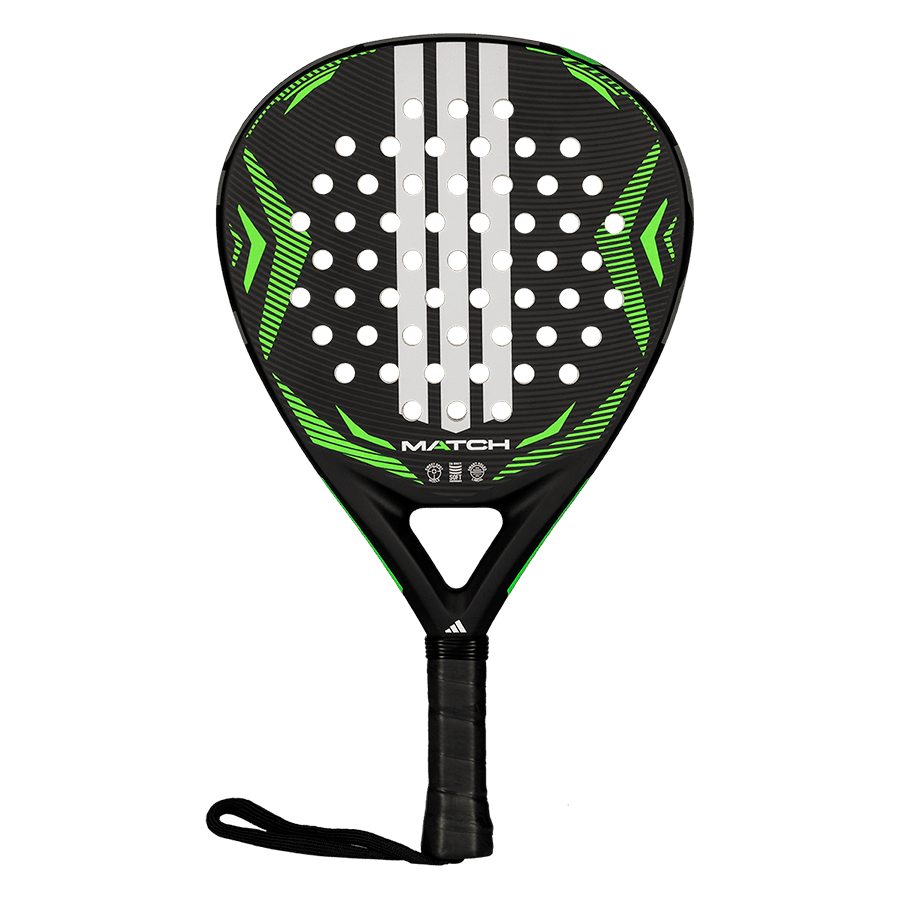 Match Black Lime 2026
Adidas · 3 shops
€41.93-33% - 2
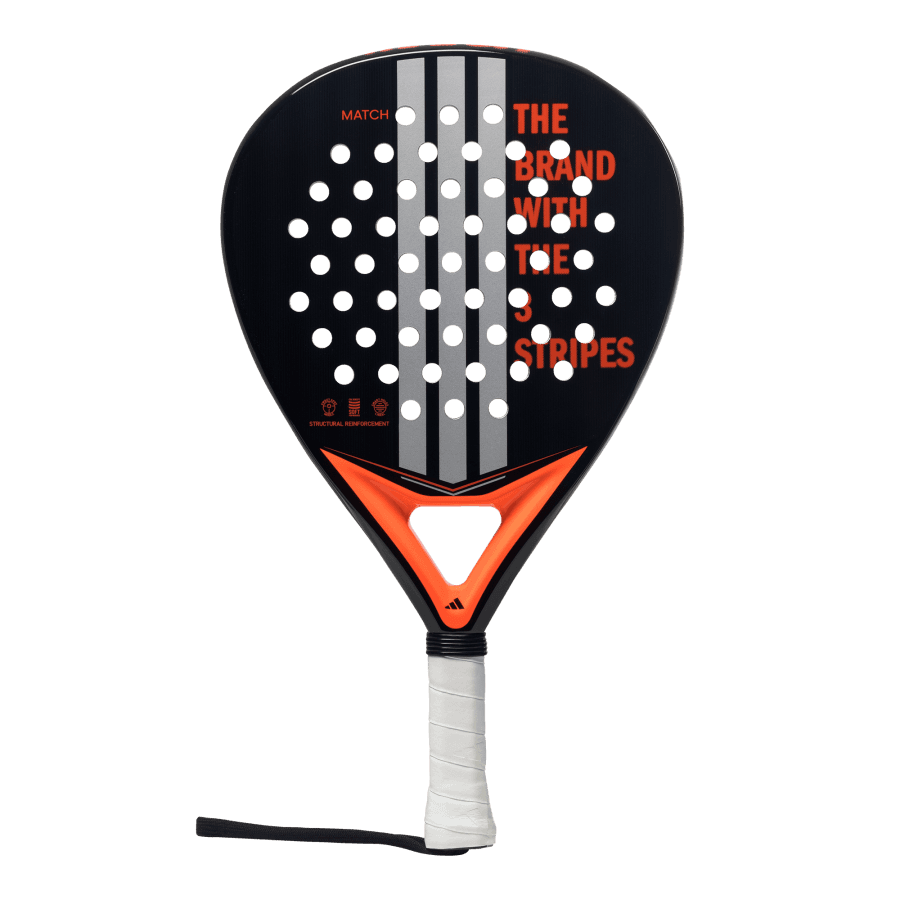 Match Black 3.4
Adidas · 2 shops
€44.95-40% - 3
 Drive Grey 3.4
Adidas · 1 shop
€44.95-44% - 4
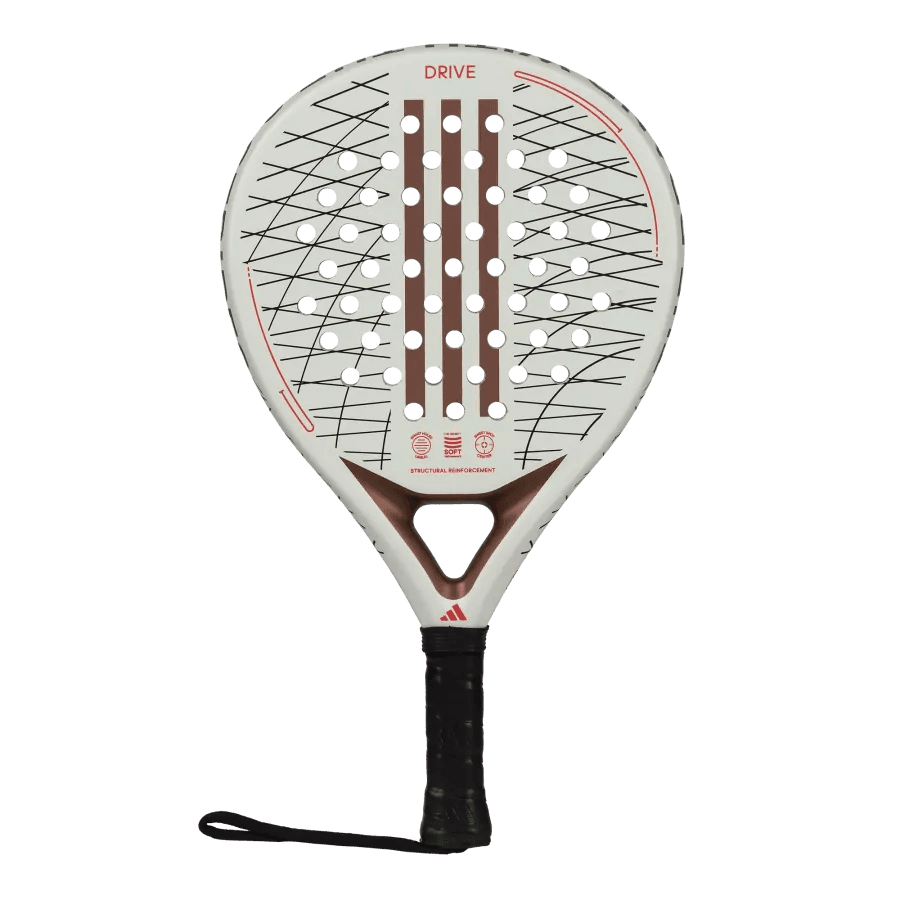 Drive 3.3 Vintage Racket
Adidas · 1 shop
€44.95-44% - 5
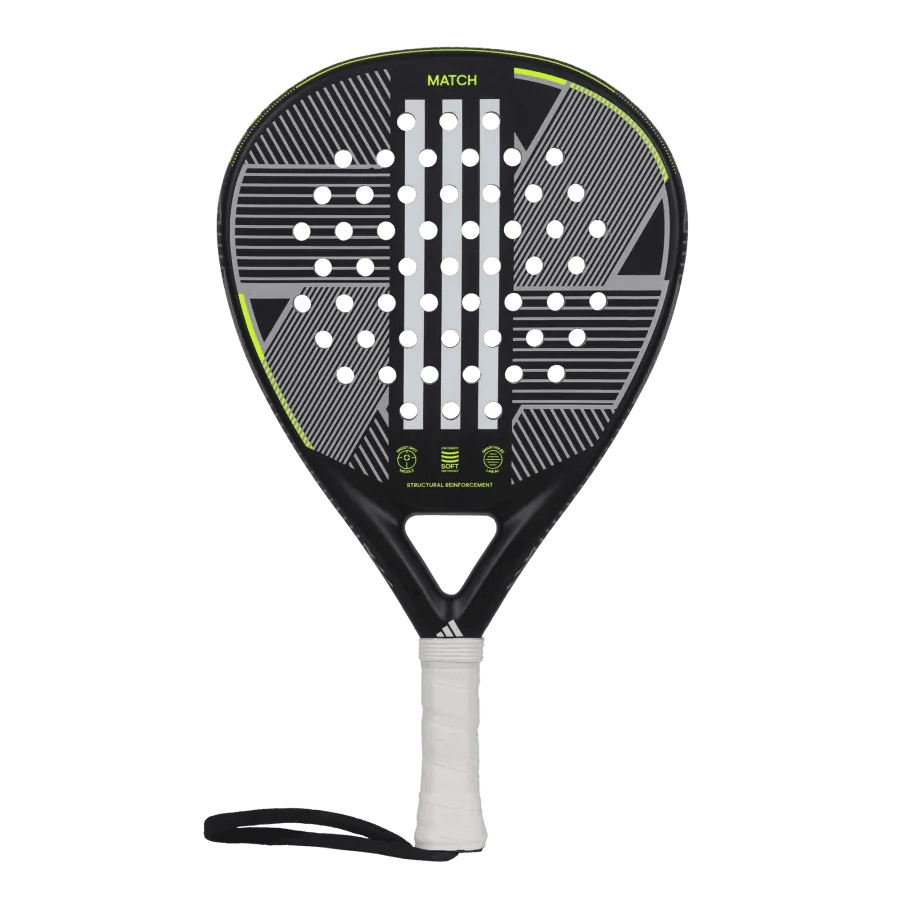 Match 3.3 Black/Lime Racket
Adidas · 1 shop
€44.95-40% - 6
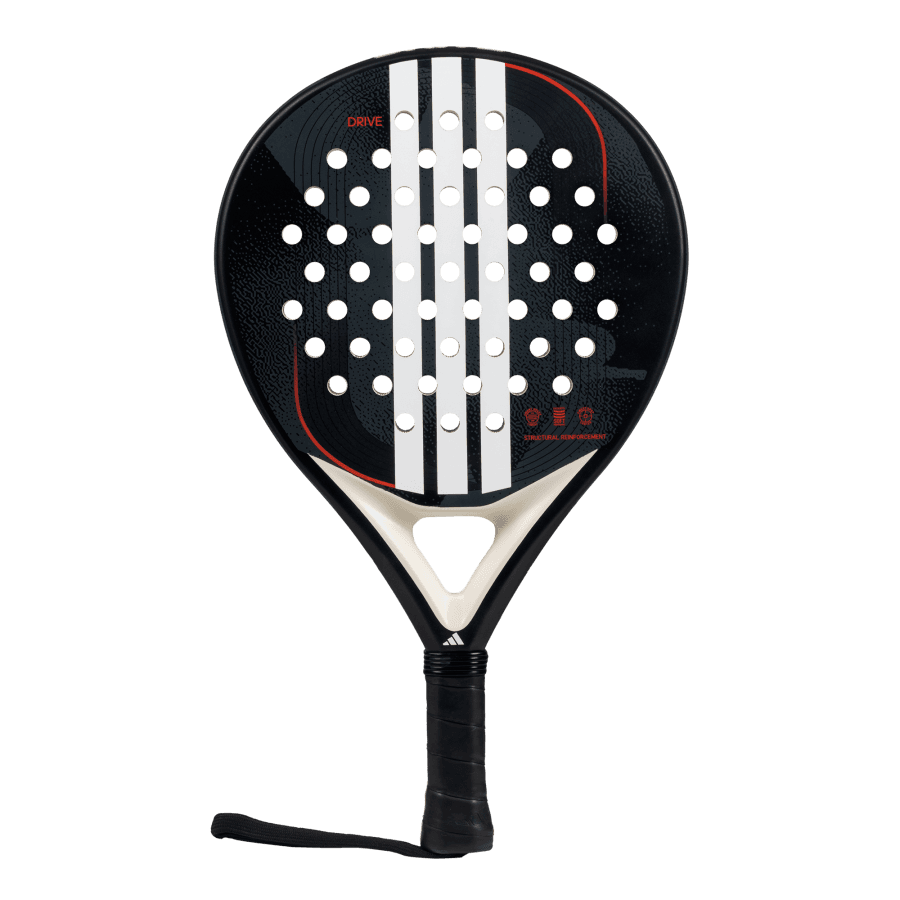 Drive Black 3.4 Padel Racket
Adidas · 2 shops
€44.95-44% - 7
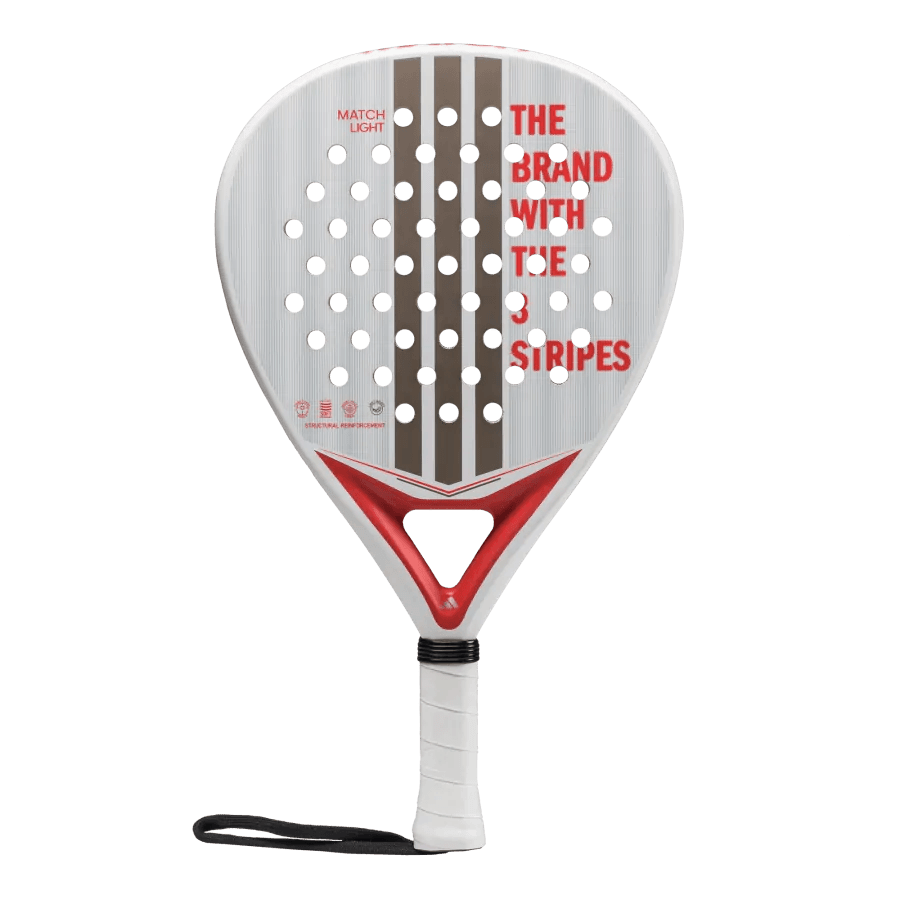 Match Light 3.4 Racket
Adidas · 1 shop
€44.95-40% - 8
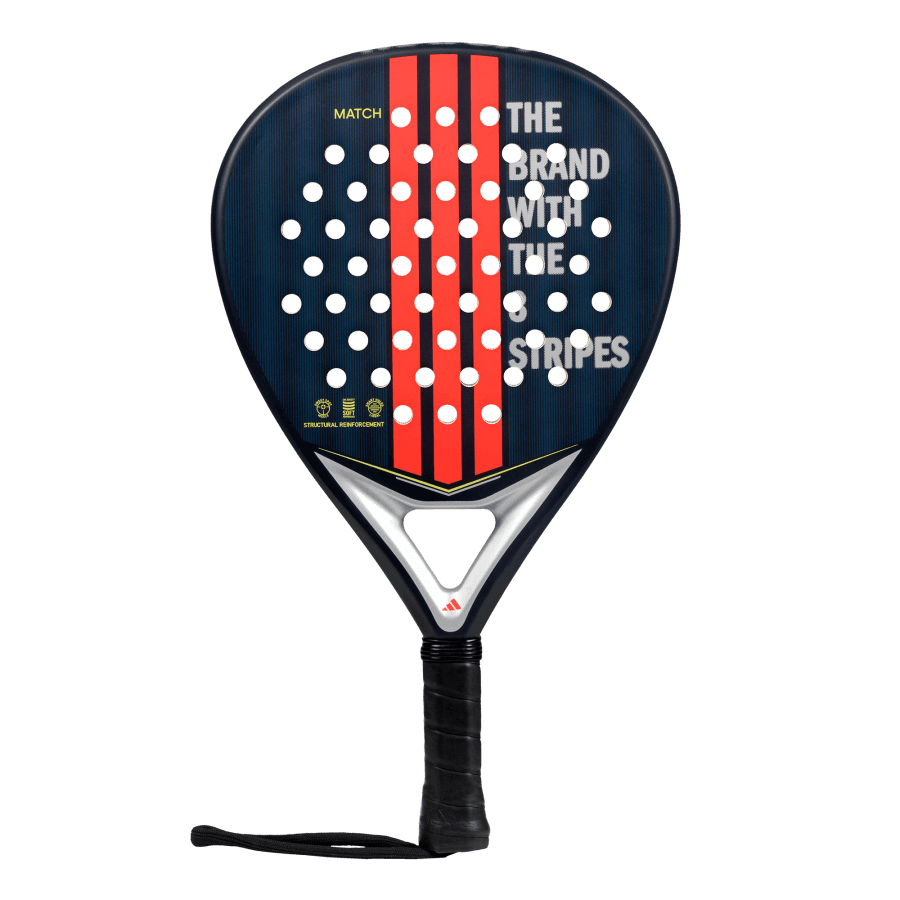 Match Blue 3.4 Padel Racket
Adidas · 3 shops
€44.95-40% - 9
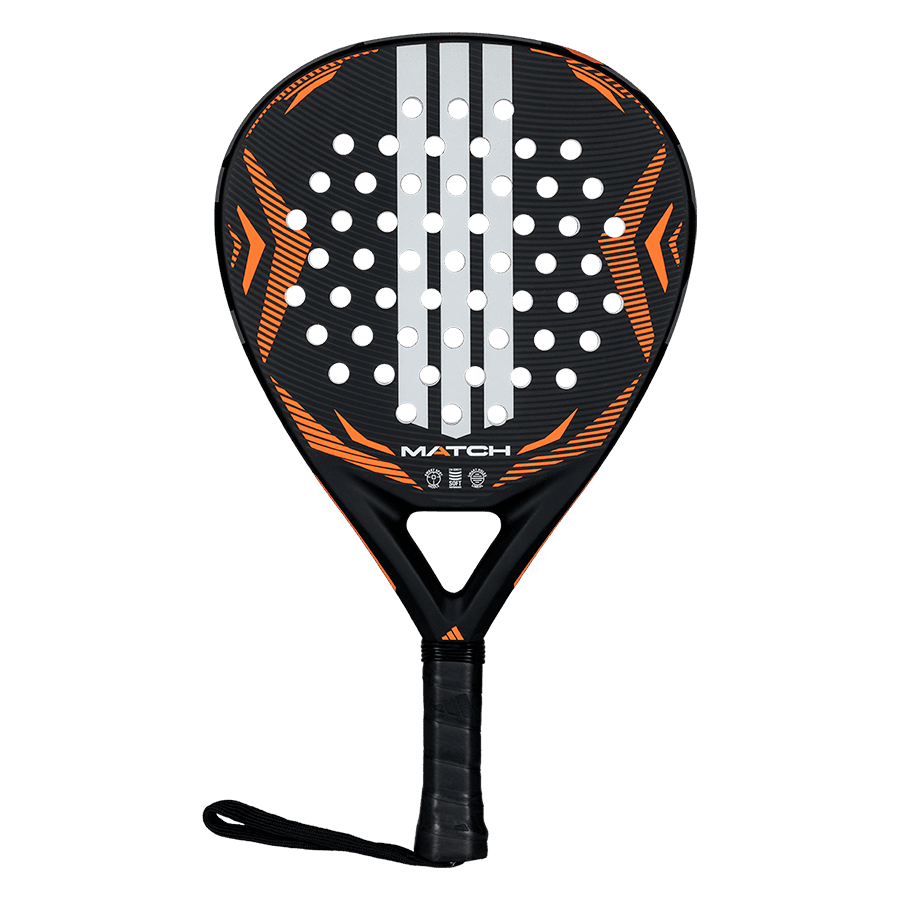 Match Black 2026
Adidas · 5 shops
€46.13-26% - 10
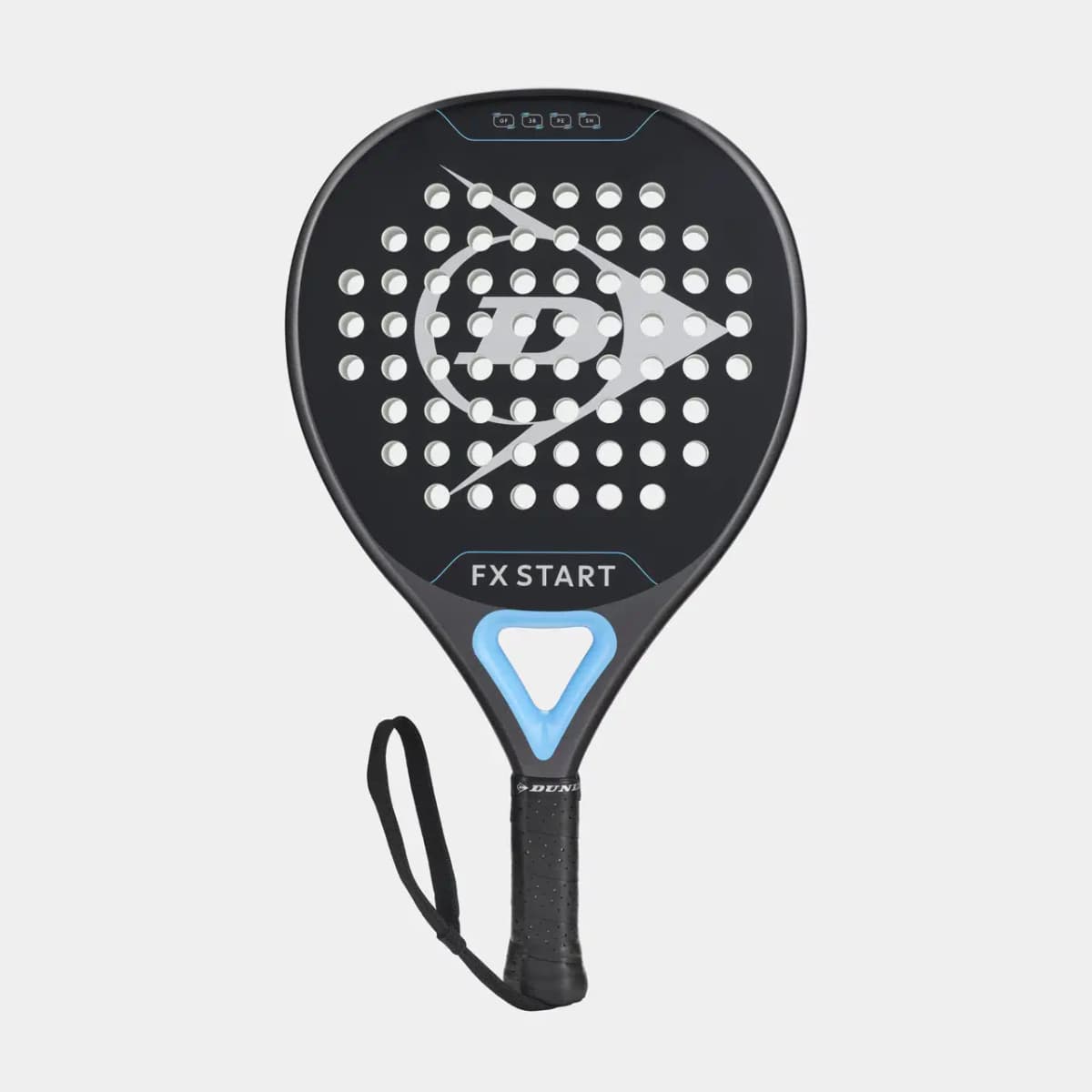 FX Start
Dunlop · 3 shops
€46.13-39%
Prices checked on 14 October 2026: lowest in-stock price across the shops we compare, in euros.
Beginner racquets stocked by the most shops
Racquets tagged for beginners, sorted by how many shops have them in stock. Not every listing states a level, so treat this as a sample, not the full range.
- 1
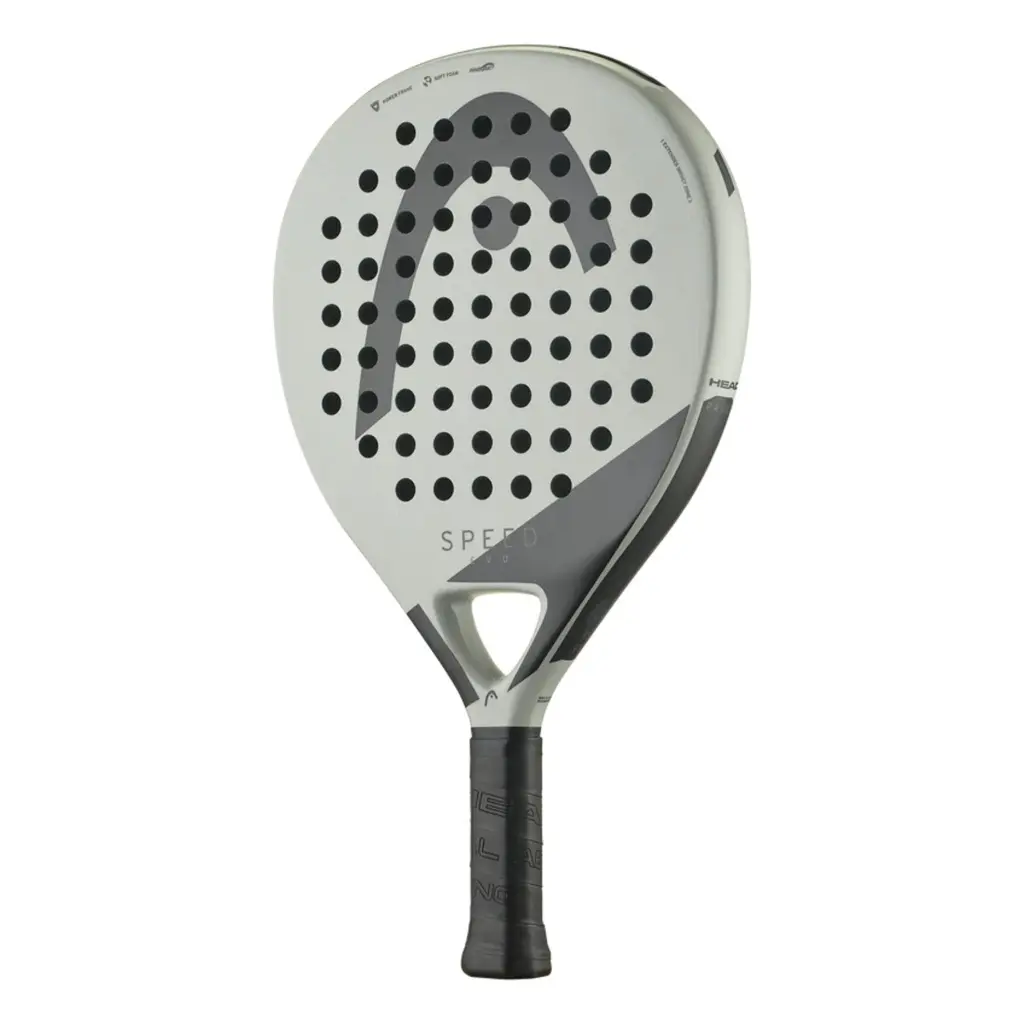 Evo Speed Padel Racquet
Head · 9 shops
€60.29-19% - 2
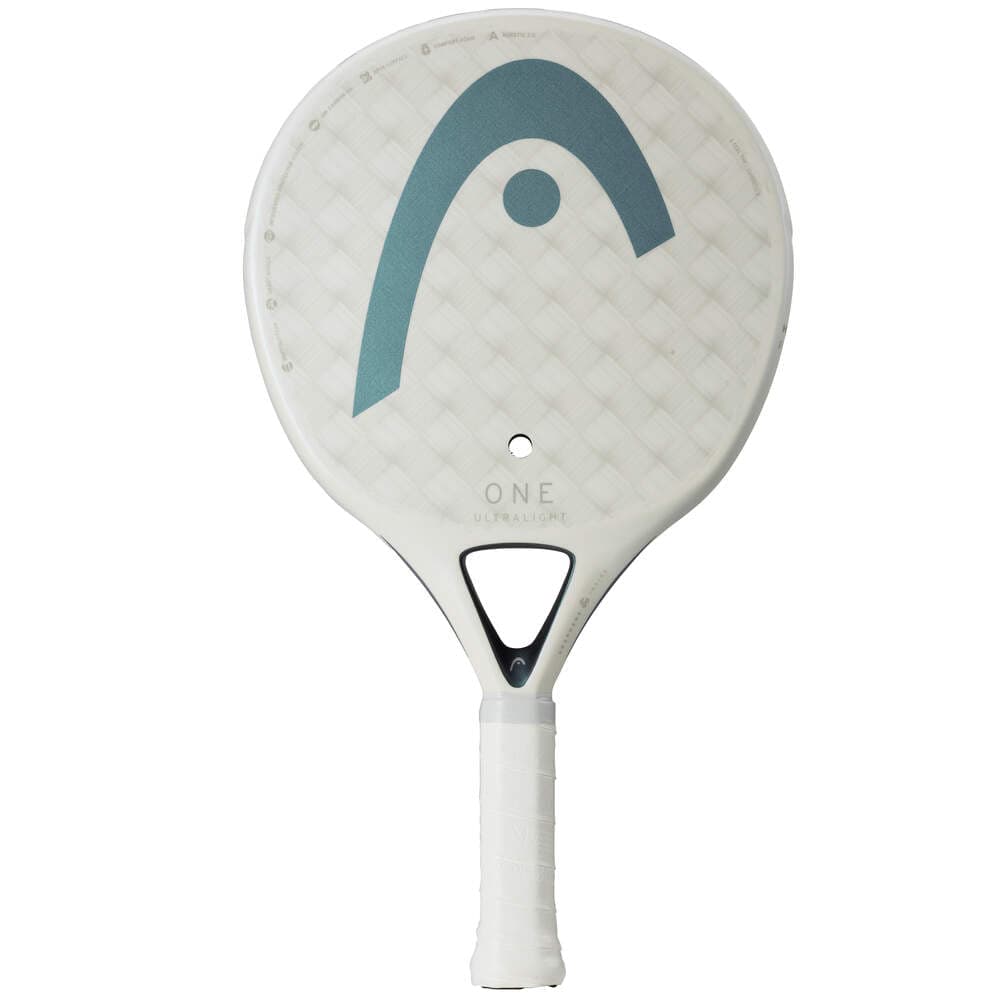 One Ultralight Padel Racquet
Head · 7 shops
€119.95-50% - 3
 FX Lite
Dunlop · 6 shops
€117.56-44% - 4
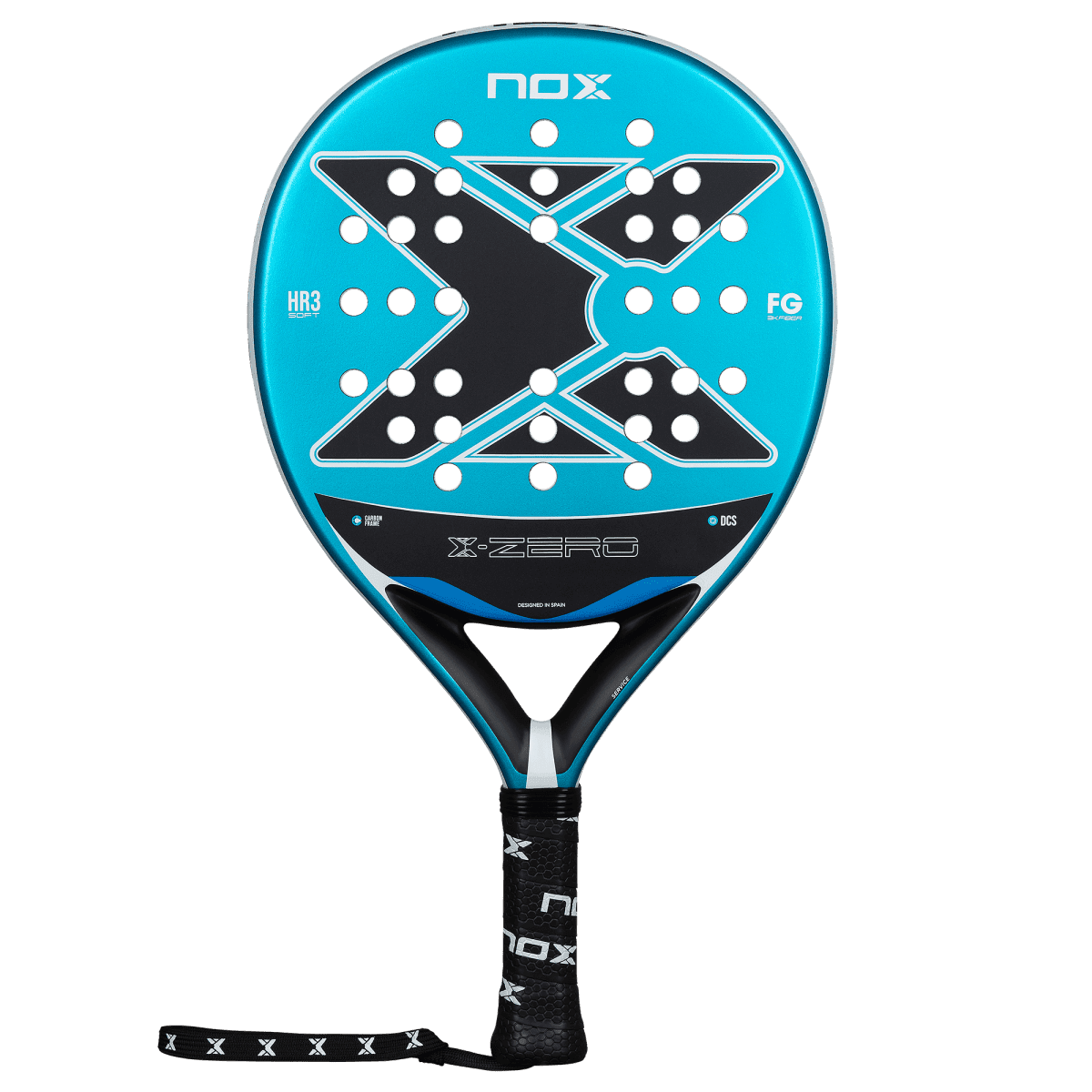 X-Zero Blue
Nox · 5 shops
€58.95-9% - 5
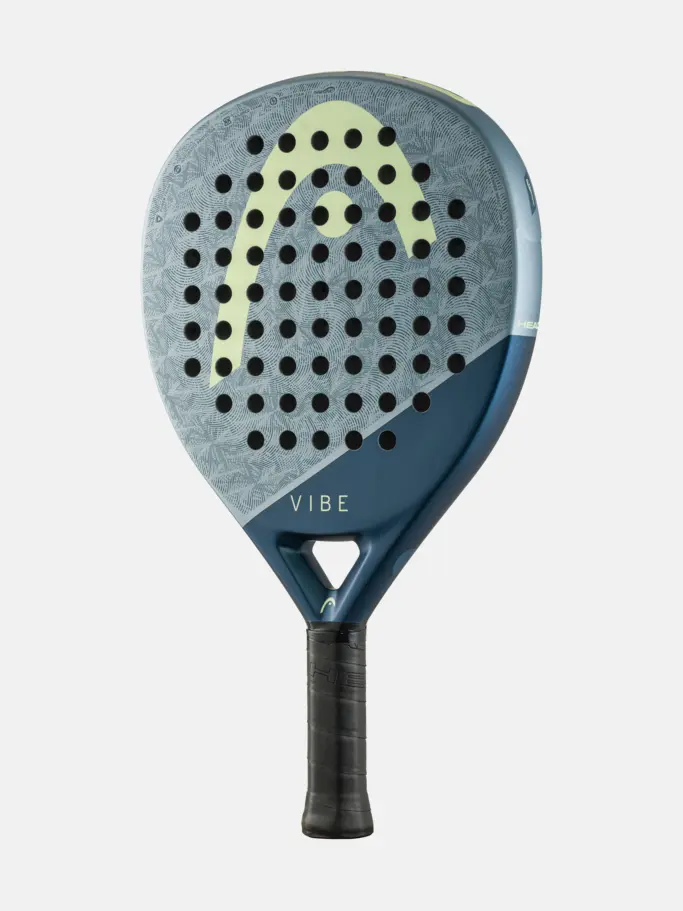 Vibe Padel Racquet
Head · 4 shops
€66.95-33% - 6
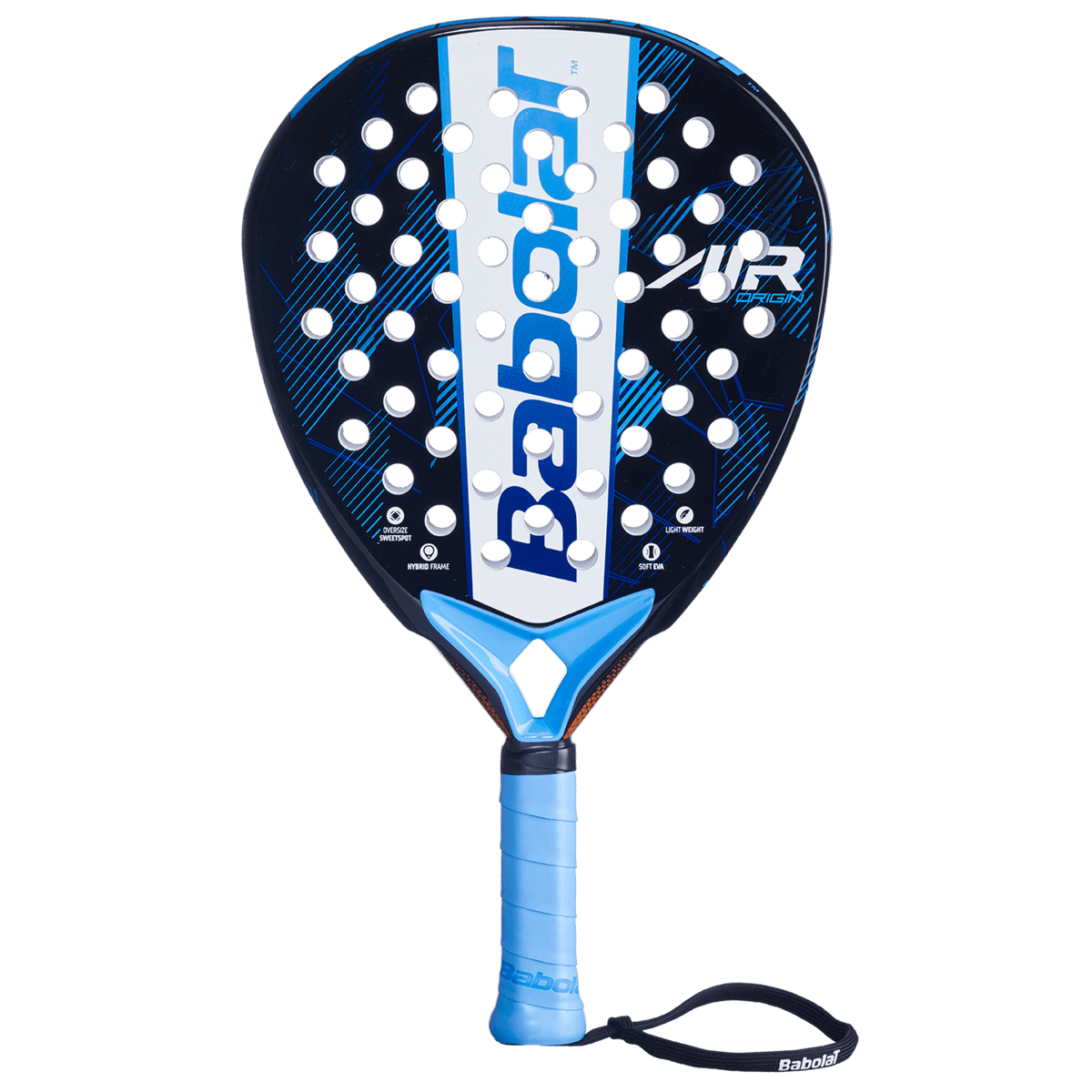 Air Origin
Babolat · 4 shops
€75.55-25% - 7
 Galactica Lite
Dunlop · 4 shops
€130.17-32% - 8FX Start
Dunlop · 3 shops
€46.13-39%
Prices checked on 14 October 2026: lowest in-stock price across the shops we compare, in euros.
The best padel racket for a beginner is a round racquet weighing roughly 345 to 365 g, with a low balance, a soft EVA or foam core and a fibreglass face. That combination gives you the biggest sweet spot, the least arm strain and the most control while you learn. Most racquets with this profile cost between €60 and €120, so there is no need to spend more.
Why does your first racquet matter so much?
A racquet that is too heavy, too stiff or too head-heavy punishes off-centre hits, tires your forearm and slows your progress. The right one feels easy at the net and quietly corrects some of your mistakes while your technique catches up. Picking well in the first months saves money too: you won't need to replace a racquet you never got along with.
The beginner formula at a glance
| Spec | What to look for | Why it helps |
|---|---|---|
| Shape | Round, or a low-balance teardrop | Largest and most central sweet spot |
| Weight | About 345 to 365 g | Easy to swing for a full match |
| Balance | Low to medium | Quicker hands at the net, more control |
| Core | Soft EVA or foam | Comfort, less vibration, easy ball exit |
| Face | Fibreglass or a fibreglass/carbon mix | Flexible and forgiving |
| Budget | Typically €60 to €120 | Enough for a well-built beginner model |
Which racquet shape should a beginner choose?
Round is the default choice. Its sweet spot is large and sits in the middle of the face, so a slightly mistimed shot still goes roughly where you aimed. Teardrop is a compromise between control and power and can suit you if you come from tennis or squash. Diamond racquets put the weight towards the head and the sweet spot high on the face: great for smashes once you have the technique, frustrating before that. Our guide to padel racquet shapes goes into the details.
How heavy should a beginner's racquet be?
Most adult beginners are comfortable between 345 and 365 g. Stay at the lower end if you are a junior, have a smaller build or tend to get elbow or shoulder pain. Remember that an overgrip adds a few grams, and that balance matters as much as the number on the label: two 360 g racquets can feel completely different. The padel racquet weight guide explains how to read both.
Soft or hard core, fibreglass or carbon?
- Soft EVA or foam core: comfortable, filters vibration and helps the ball leave the face even when you swing slowly. Ideal for learning.
- Hard EVA core: returns more energy on fast shots but feels harsh and demands clean technique. Better left to experienced players.
- Fibreglass face: flexible, forgiving and cheaper. A natural fit for beginners.
- Carbon face: stiffer, more precise and more expensive. A fibreglass/carbon mix is a good middle ground if you progress quickly.
How much should a beginner spend?
Most beginners find a good racquet between €60 and €120. Below about €40, materials are often basic and wear out fast. Above €150 you are usually buying a stiffer, performance-oriented racquet designed for intermediate or advanced players, which will not help you learn faster. In late September 2026, about 70 of the roughly 250 in-stock racquets we compare cost under €100, so there is plenty of choice in our cheap padel racquets selection.
Which brands make good beginner racquets?
Every major brand has an entry-level or control line. You can see what is in stock today from Bullpadel, Nox and Head, as well as Babolat, Wilson and Dunlop. The Nox ML10 Pro Cup, for example, is a well-known round, control-oriented racquet. If you are unsure where to start, our short racquet finder quiz suggests models after a few questions.
Tips before you buy your first racquet
- Try before you buy. Many clubs rent or lend racquets: test a round and a teardrop model before choosing.
- Skip the very cheapest. A €25 racquet is fine for a taster session, rarely for a full season.
- Compare shops. The same racquet rarely costs the same everywhere. PadelRadar, the padel price comparison site, lists every shop that has it in stock, cheapest first, with prices refreshed once a day.
- Check the 3-month low on the product page. If today's price is close to it, it is a good moment to buy.
- Watch the price. Click "Watch price", set a target, and we email you when the daily update finds the racquet at or below it.
When should you move to a more demanding racquet?
After 6 to 12 months of regular play, if you hit the sweet spot consistently and want more power on overheads, it is time to look at a teardrop or a stiffer racquet. Our guide for intermediate and advanced players helps you make that step.
Frequently asked questions
What is the best padel racket shape for beginners?
A round racquet is the best shape for most beginners. Its sweet spot sits in the centre of the face and is the largest of the three main shapes, so slightly off-centre hits still go roughly where you aimed. Players coming from tennis or squash can also consider a low-balance teardrop, but diamond racquets are better left until your technique is solid.
How much should I spend on my first padel racket?
Most beginners do not need to spend more than €60 to €120 on a first padel racquet. That range covers well-built models with soft cores and forgiving shapes. Very cheap racquets often use basic materials that wear out quickly, while racquets above about €150 are usually stiffer and aimed at intermediate or advanced players, which makes them harder to learn with.
How heavy should a beginner padel racket be?
Most adult beginners are comfortable with a racquet between roughly 345 and 365 grams. Lighter racquets are easier to handle at the net and kinder to the elbow and shoulder, which matters while your technique is still developing. Juniors, players with a history of arm pain and people with a smaller build can go towards the lower end of that range.
Is a soft or hard padel racket better for beginners?
A soft racquet is better for beginners. A soft EVA or foam core absorbs vibration, feels comfortable and helps the ball leave the face even at slow swing speeds. Hard cores return more energy on fast, powerful shots, but they feel harsh and demand clean technique, so they suit advanced players who hit hard and consistently.
Can a beginner use a carbon padel racket?
Yes, but a fibreglass or fibreglass-carbon face is usually the better starting point. Fibreglass is more flexible and forgiving, which helps on off-centre hits, and it keeps the price down. Full carbon faces are stiffer and more precise, which experienced players value, but on their own they don't make learning easier. Many beginner-friendly racquets use a mix of both materials.
Where can I compare beginner padel racket prices?
PadelRadar compares the prices of beginner padel racquets at around 20 European shops once a day. Each product page lists every shop that has the racquet in stock, cheapest first, together with its all-time low and 3-month low, so you can see whether today's price is a good one before you buy. The service is free and you do not need an account to browse.
Related guides
- Padel Racket Shapes: Round vs Teardrop vs Diamond ExplainedRound, teardrop or diamond? How padel racket shape changes sweet spot, balance, control and power, which suits your level, and today's prices by shape.
- Padel Racket Weight: How Heavy Should Your Racket Be?How heavy should a padel racket be? Weight bands by level and build, why balance matters as much as grams, and how to pick a weight that spares your arm.
- Cheap padel racquets: the best under €100 todayCheap padel rackets under €100, compared daily across around 20 European shops: today's lowest prices, what a budget racquet gets you and when to buy.
- Best Padel Racket for Intermediate and Advanced PlayersChoosing a padel racket for intermediate or advanced play: shape, weight, balance, core and face explained, plus today’s prices on the most widely stocked models.