Best Padel Racket for Intermediate and Advanced Players
Choosing a padel racket for intermediate or advanced play: shape, weight, balance, core and face explained, plus today’s prices on the most widely stocked models.
By PadelRadar editorial teamUpdated
Key takeaways
- Intermediate players usually get the most from a teardrop racquet of around 360–375 g with a medium EVA core and a carbon or mixed face.
- Advanced players who generate their own power can move to diamond or high-balance racquets with harder cores, at the cost of a smaller sweet spot.
- Balance changes how heavy a racquet feels more than a few grams of weight do, so always read weight and balance together.
- Above the mid-range, extra money mostly buys material refinements rather than a different game, which makes last year’s flagship a smart buy.
- PadelRadar compares racquet prices from around 20 European shops once a day and shows each model’s 3-month low on its product page.
Advanced-level racquets stocked by the most shops
Racquets tagged “advanced” by the brand or retailer, ranked by how many shops have them in stock today.
- 1
 Hack 04 26
Bullpadel · 13 shops
€163.95-39% - 2
 Vertex 05 Geo
Bullpadel · 13 shops
€199.95-46% - 3
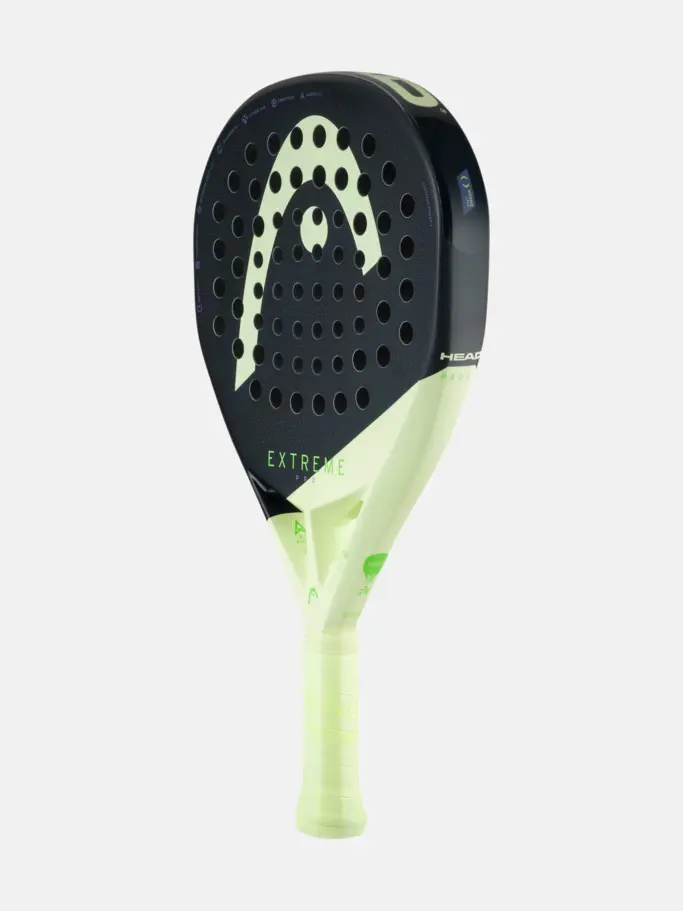 Extreme Pro Padel Racquet
Head · 12 shops
€125.97-46% - 4
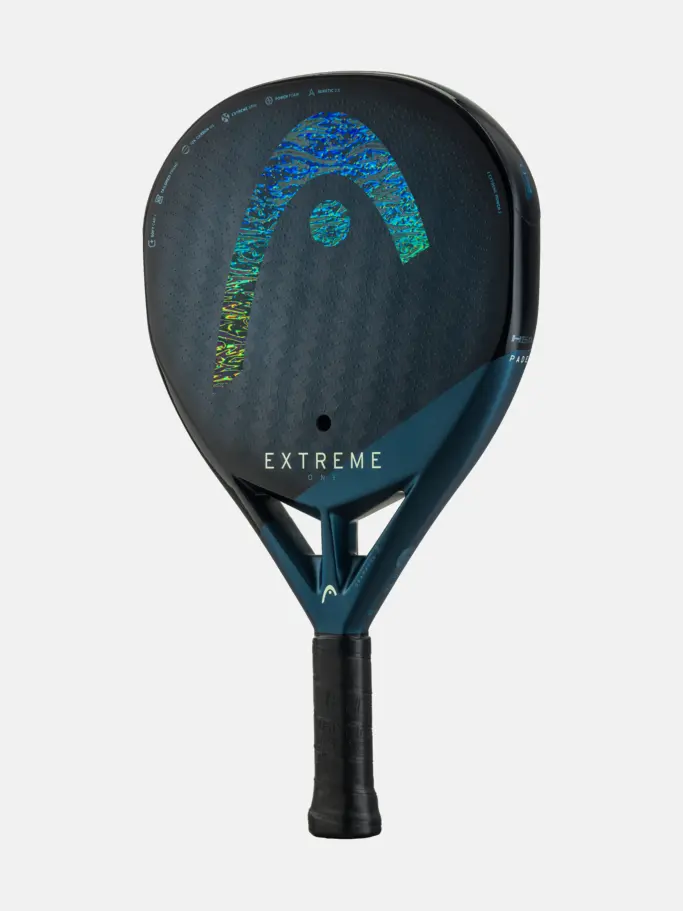 Extreme One Padel Racquet
Head · 12 shops
€127.95-54% - 5
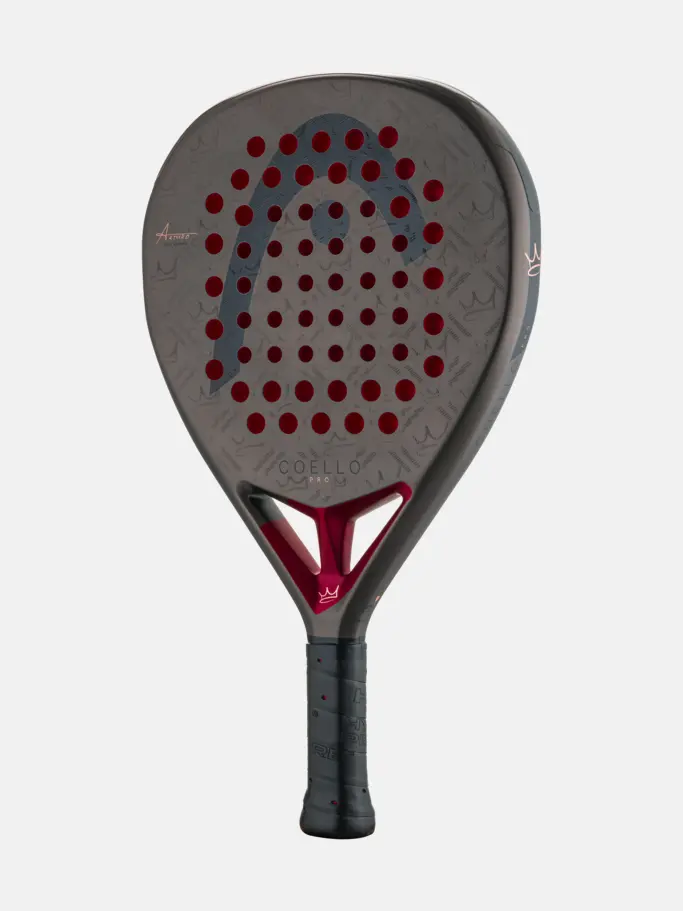 Coello Pro Padel Racquet
Head · 12 shops
€134.37-54% - 6
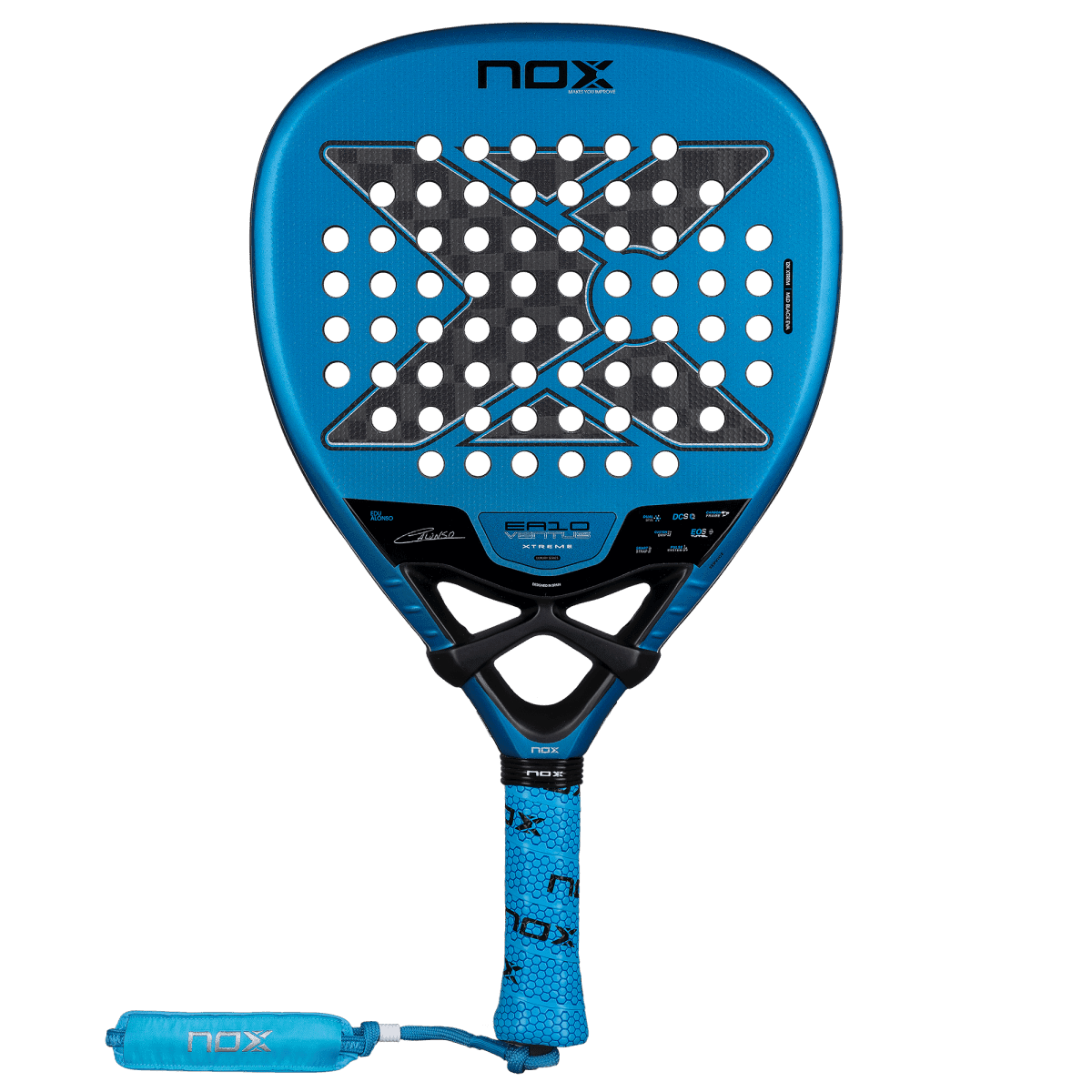 EA10 Ventus Attack 12K XTREM by Edu Alonso
Nox · 12 shops
€177.27-29% - 7
 Bela Pro 2024
Wilson · 11 shops
€119.95-65% - 8
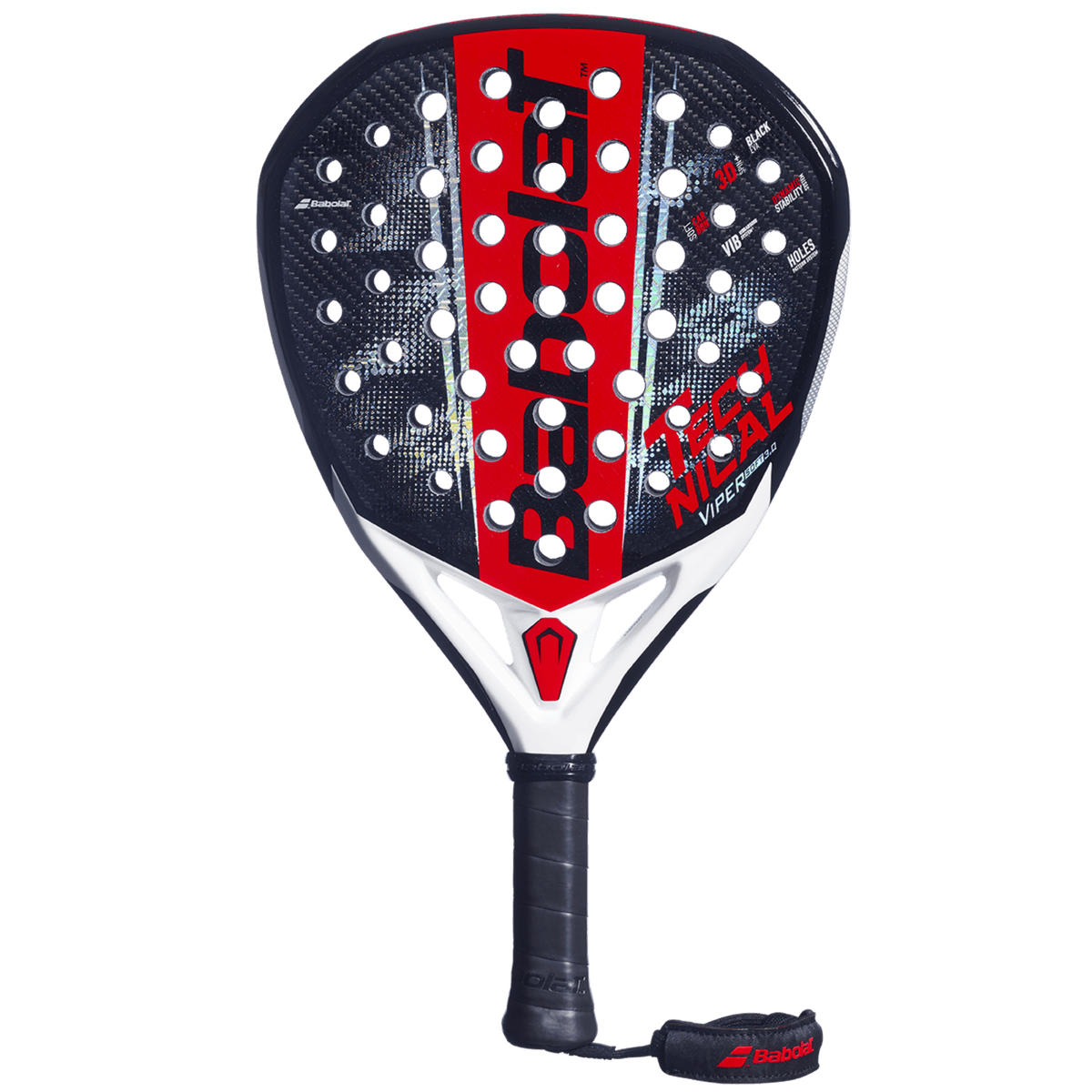 Technical Viper Soft 3.0
Babolat · 11 shops
€125.97-46% - 9
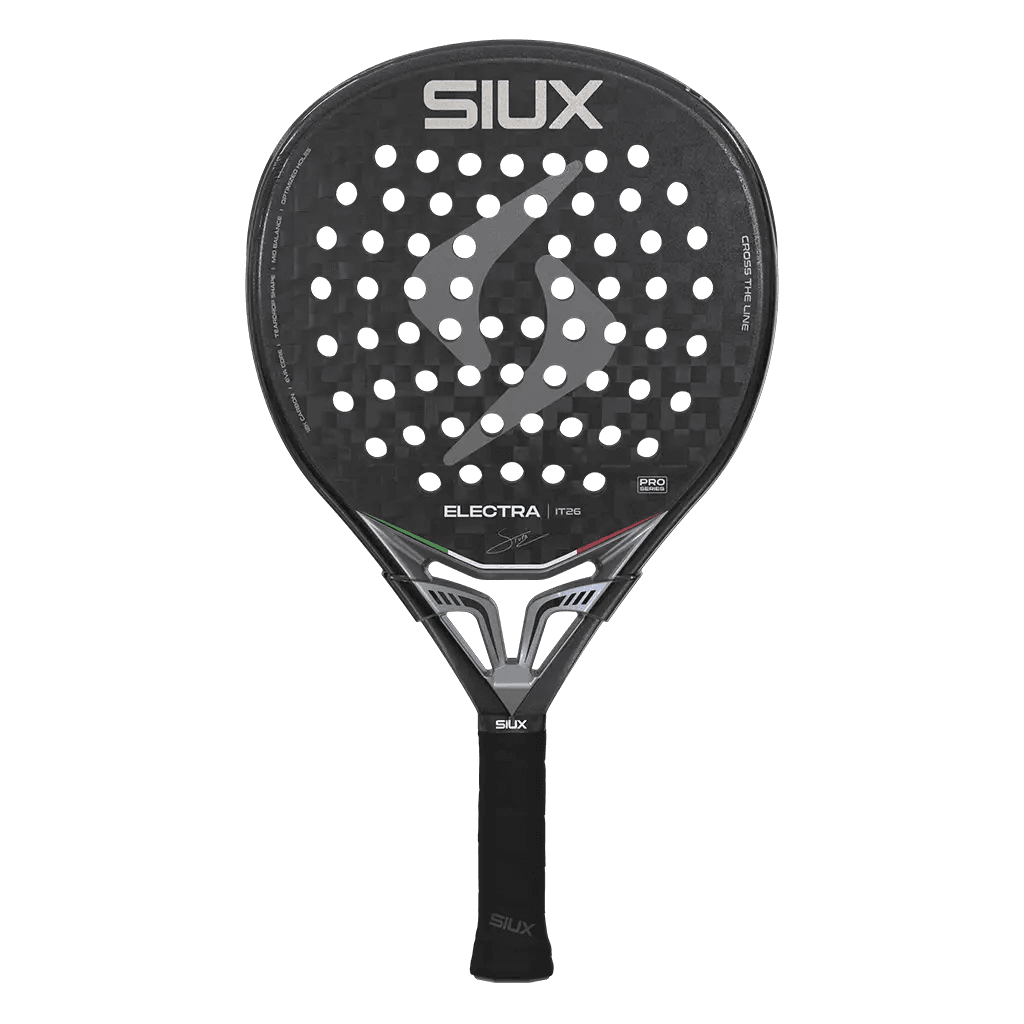 Electra Pro 2026 Fire Red
Siux · 11 shops
€159.58-45% - 10
 Hack 04 Hyb 26
Bullpadel · 11 shops
€174.95-45%
Prices checked on 14 October 2026: lowest in-stock price across the shops we compare, in euros.
Intermediate-level racquets stocked by the most shops
Racquets tagged “intermediate”, ranked by number of shops in stock today.
- 1
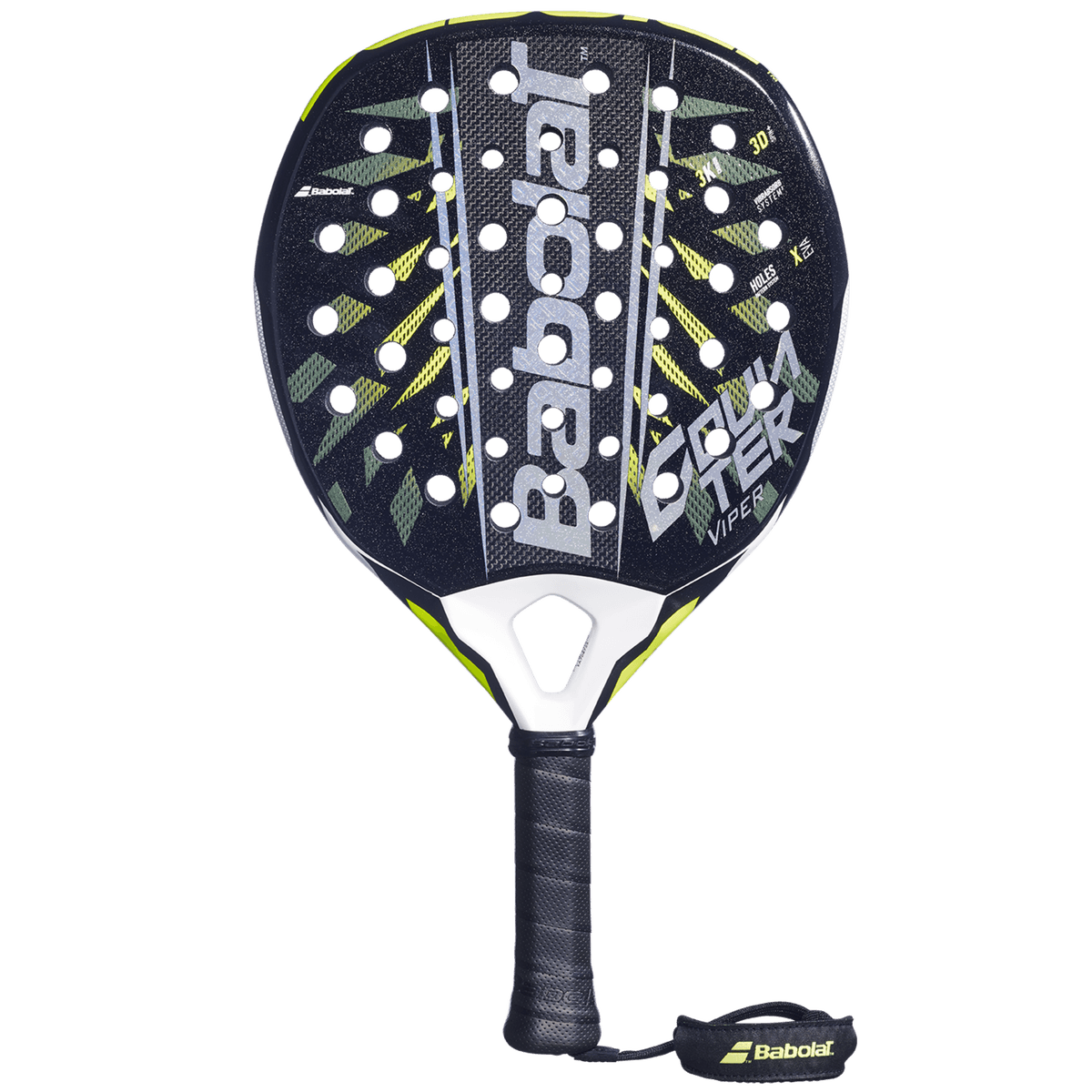 Counter Viper 2.6
Babolat · 14 shops
€151.18-43% - 2
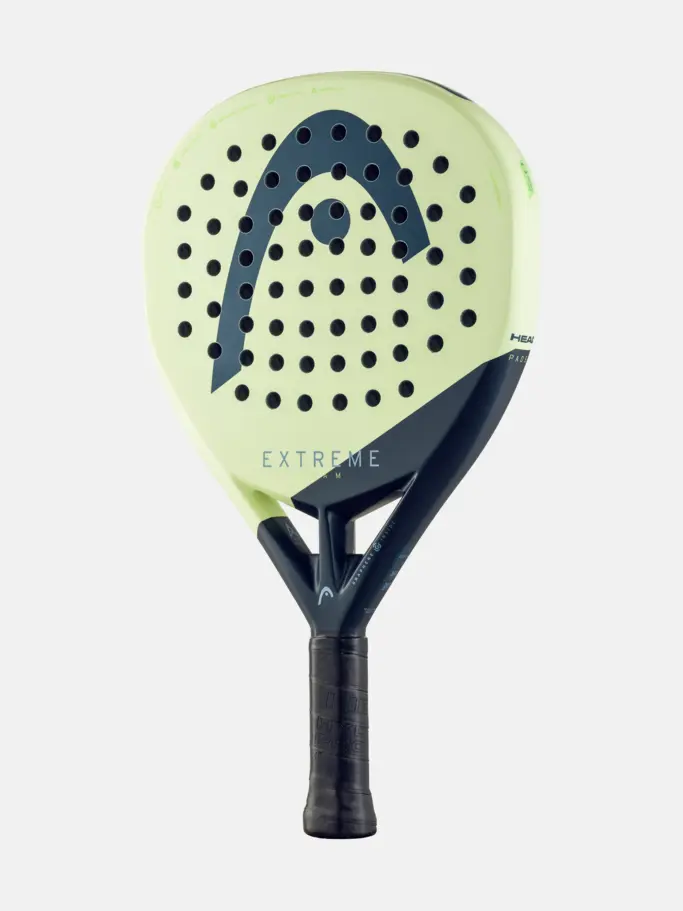 Extreme Team Padel Racquet
Head · 12 shops
€100.24-49% - 3
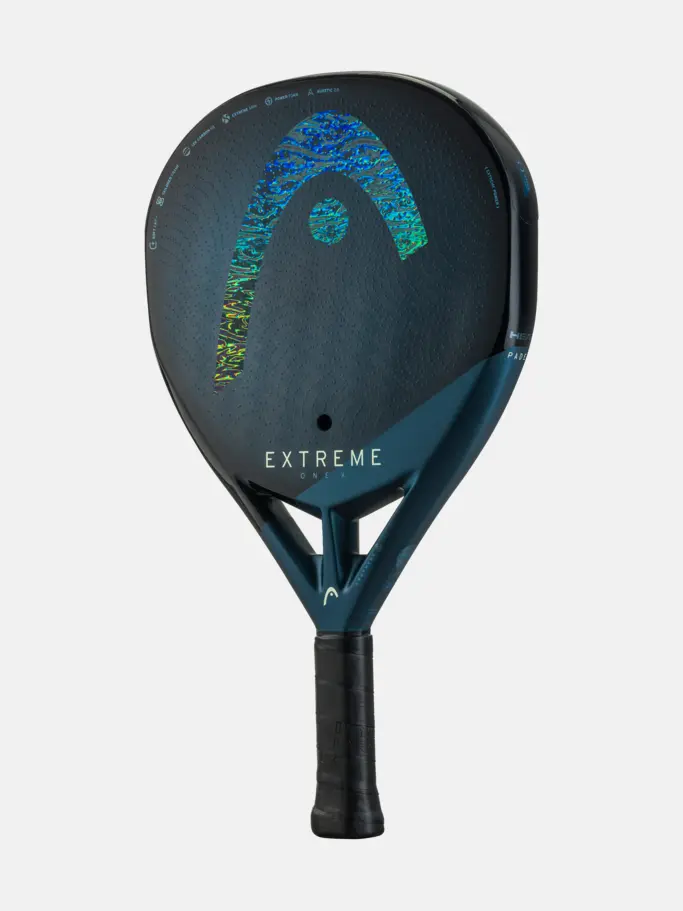 Extreme One X Padel Racquet
Head · 12 shops
€121.73-43% - 4
 Neuron 02
Bullpadel · 12 shops
€174.95-45% - 5
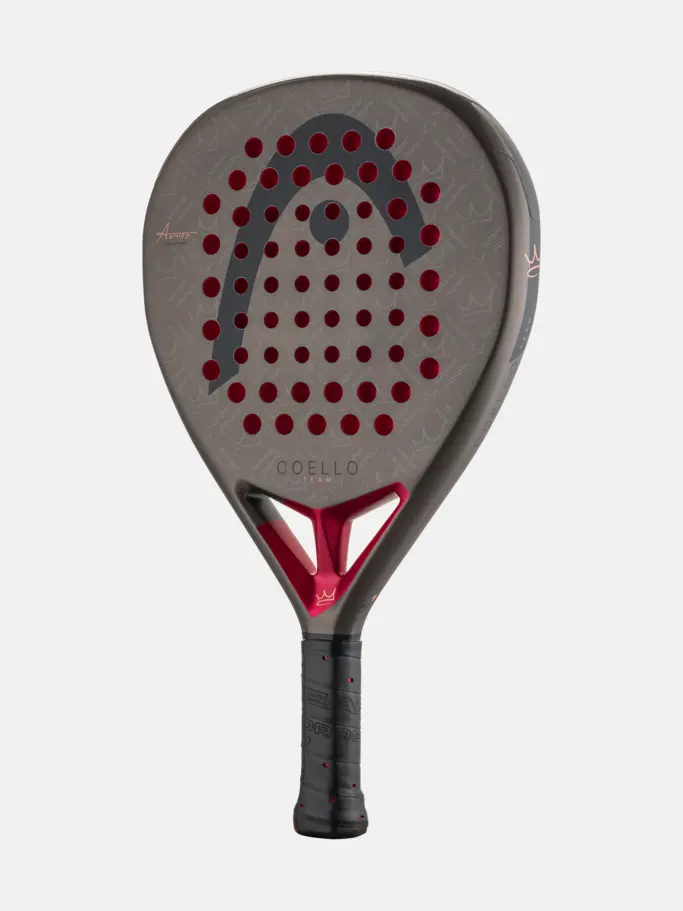 Coello Team Padel Racquet
Head · 11 shops
€92.35-50% - 6
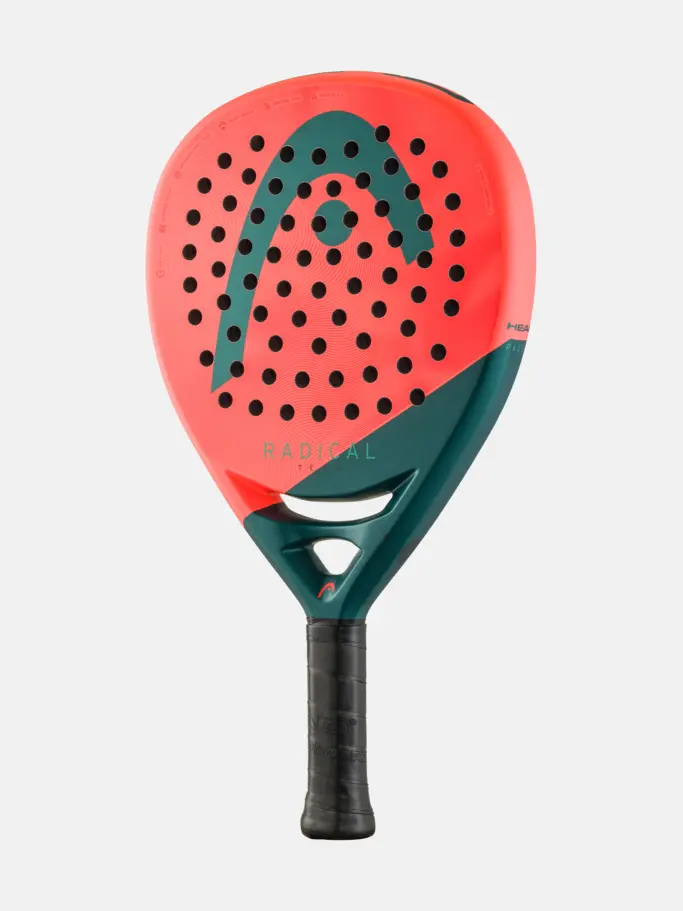 Radical Team Padel Racquet
Head · 11 shops
€109.16-27% - 7
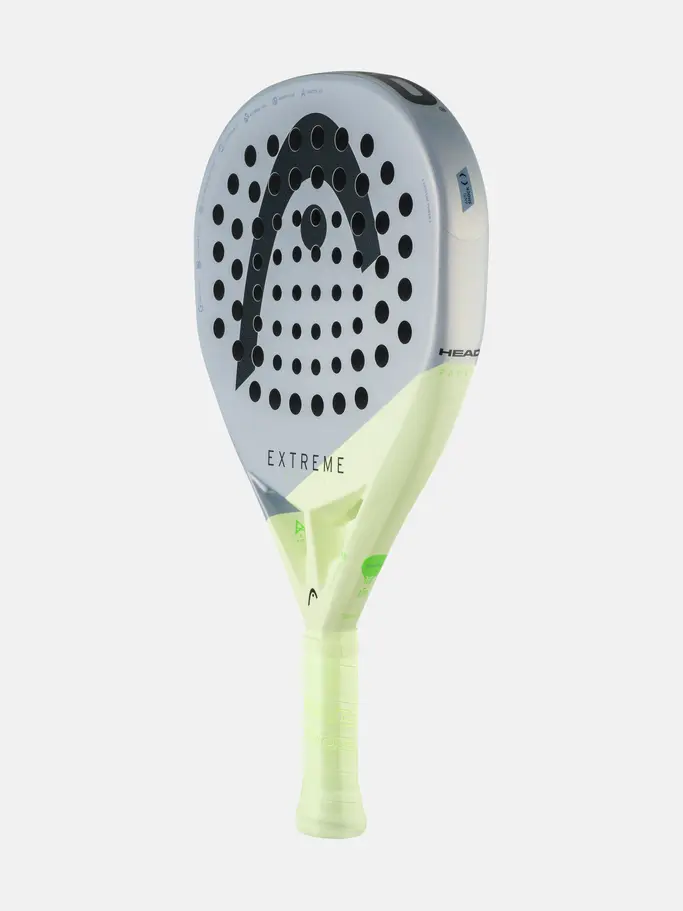 Extreme Motion Padel Racquet
Head · 11 shops
€109.95-54% - 8
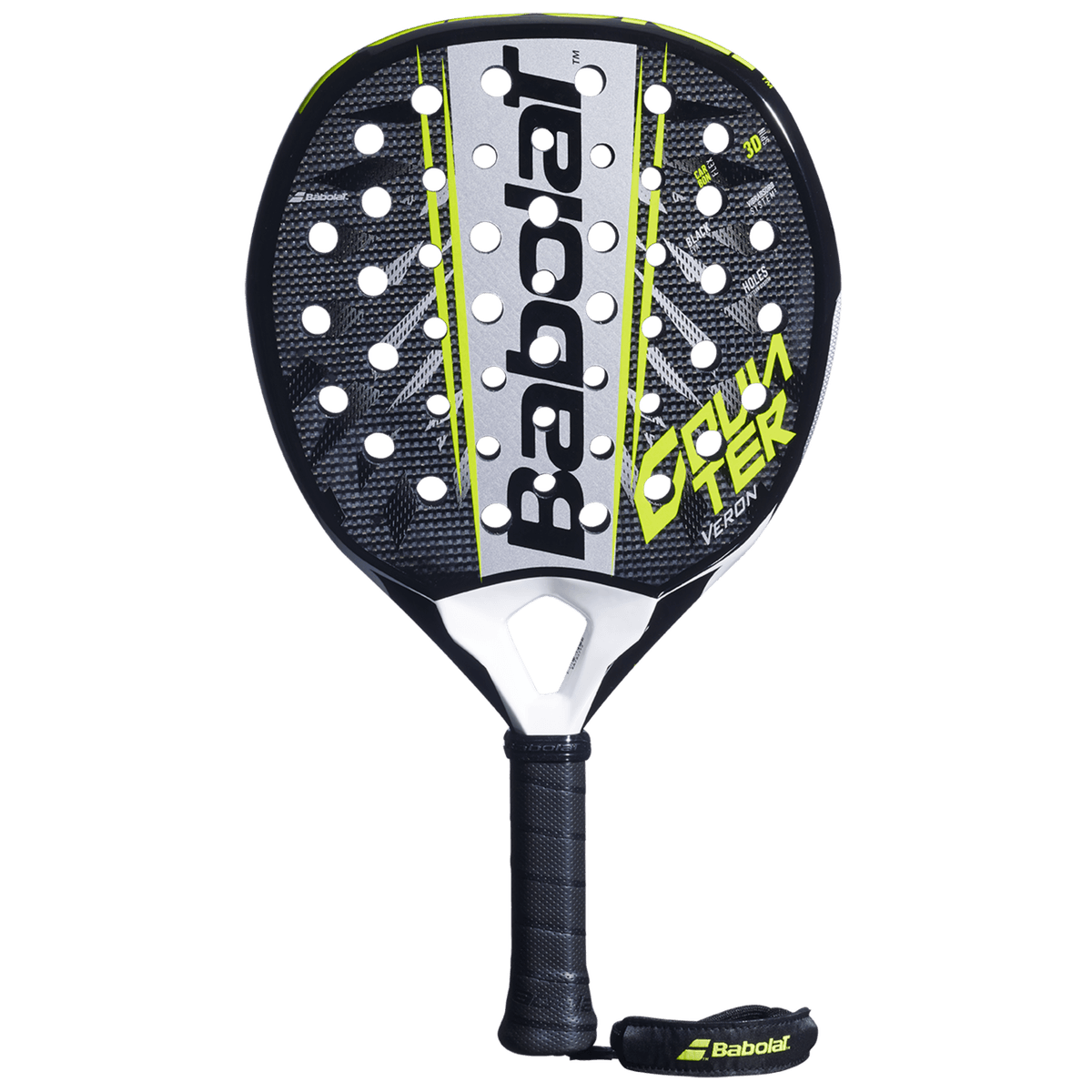 Counter Veron 2.6
Babolat · 11 shops
€125.97-37%
Prices checked on 14 October 2026: lowest in-stock price across the shops we compare, in euros.
The best padel racquet for an intermediate player is usually a teardrop shape around 360–375 g with a medium EVA core; advanced players who create their own power can move to diamond or high-balance models with harder cores. The right choice depends less on the brand than on how and where you win your points. Here is how to match the specs to your game.
When should you upgrade from a beginner racquet?
After six to twelve months of regular play, many players outgrow their first racquet. Typical signs:
- You hit the sweet spot consistently and want more feedback from the racquet.
- You generate power from technique rather than relying on the racquet.
- You want more spin and direction on the bandeja and the vibora.
- Your current racquet feels too soft or too slow at the net.
If none of this sounds like you, stay with a forgiving round racquet a little longer. Upgrading too early mostly makes mistakes more expensive.
Which racquet shape suits an intermediate player?
Teardrop is the natural next step. Its sweet spot sits slightly higher than on a round racquet, which adds power on overheads while staying tolerant on off-centre hits. Players who build points at the net and rarely finish with a smash can stay with round or low-balance models without any shame. Our guide to round, teardrop and diamond shapes compares them side by side.
What changes at advanced level?
Advanced players swing faster and hit the ball more cleanly, so they can use racquets that punish mistakes but reward good contact: diamond shapes, higher balance, harder cores and stiffer carbon faces. Examples of this profile are Bullpadel’s Vertex and Hack lines, while Nox’s AT10 Genius is a popular teardrop for players who want power with some forgiveness. The trade-off is real: a smaller sweet spot and more load on the arm, especially in long matches.
Power, control or all-round: which setup is yours?
| Power | Control | All-round | |
|---|---|---|---|
| Shape | Diamond | Round or low teardrop | Teardrop |
| Core | Hard EVA | Soft EVA or foam | Medium EVA |
| Balance | High (head-heavy) | Low or even | Medium to slightly high |
| Typical weight | 365–385 g | 350–365 g | 360–375 g |
| Suits | Back-court attackers with a strong smash | Net players who build the point | Players who move between net and back court |
Treat the weights as typical ranges: your strength, arm health and how often you play matter as much as your level. Our racquet weight guide explains how weight and balance interact.
Soft, medium or hard core: what is the difference?
- Soft EVA or foam: more comfort and ball output on slow shots, less punch on full swings. Kind to the elbow.
- Medium EVA: the standard for this level, balancing comfort and response.
- Hard EVA: returns more energy when you swing fast, but feels harsh and does little for you on slow balls if your technique is not solid.
Some brands combine two densities in one core to get a softer feel with a firm response.
Carbon or fibreglass face?
Fibreglass is more flexible and gives the ball more exit speed at low swing speed. Carbon is stiffer, which suits fast swings and precise placement. Numbers such as 3K, 12K or 18K describe how many thousand filaments make up each carbon strand; they change the feel slightly, but they are not a quality score. A textured face helps spin, within the limits the rules allow.
How much should you spend?
Most intermediate racquets sit roughly between €100 and €200 at the cheapest shop, while current-year flagships often start above that at full price and fall once the next version lands. In late September 2026, the median lowest price across the roughly 250 in-stock racquets we compare was around €130. Above the mid-range, extra money mostly buys refinements, so last year’s top model is often the best deal.
Brands and models to shortlist
Every brand we compare covers this level. Bullpadel and Nox have the widest ranges, and Head, Babolat, Siux, StarVie, Wilson, Dunlop and Royal Padel all offer intermediate and advanced models. Level tags come from brands and retailers and are missing on part of the catalogue, so also browse racquets filtered by level and by shape.
Check the price before you buy
The lists above rank racquets by how many shops stock them, a good proxy for popularity. Before buying, open the product page on PadelRadar, the padel price comparison site, and compare today’s price with its 3-month low; our page on reading padel price history explains how. For a ranking across every level, see the best padel racquets of 2026.
Frequently asked questions
What racquet shape is best for an intermediate padel player?
A teardrop shape is the best fit for most intermediate padel players. Its sweet spot sits slightly higher than on a round racquet, adding power on overheads while staying forgiving on off-centre hits. Players who mostly volley and build points at the net can stay with a round or low-balance racquet, which gives more control and is easier on the arm.
How heavy should an intermediate padel racquet be?
Most intermediate players are comfortable with a racquet of roughly 360 to 375 grams. Go towards the lower end if you play often, have had elbow or shoulder problems, or play mostly at the net; go heavier only if you are strong and attack from the back. Remember that a high balance makes the same weight feel heavier.
Is a diamond padel racquet good for an intermediate player?
Only if your technique is already consistent and you attack a lot from the back of the court. A diamond racquet has a smaller, higher sweet spot and more weight in the head, so off-centre hits lose power and the arm works harder. Most intermediate players progress faster with a teardrop and move to diamond once they hit cleanly.
What does 12K or 18K carbon mean on a padel racquet?
The number tells you how many thousand filaments make up each carbon strand in the face: 3K has three thousand, 12K twelve thousand, 18K eighteen thousand. It slightly changes stiffness and feel, and brands use it in their marketing, but it is not a quality ranking. Shape, balance and core hardness have a bigger effect on how the racquet plays.
How much should I spend on an advanced padel racquet?
Most advanced players find what they need in the mid-to-upper range, and paying for the newest flagship is rarely necessary. Current-year top models are usually priced highest at launch and fall once the next version arrives, so last year’s flagship often gives the same game for much less. Compare today’s price with the 3-month low on the product page before you buy.
Soft or hard core for advanced padel players?
A hard core suits advanced players who swing fast and want maximum energy return on smashes, while a soft core suits players who value comfort, touch and ball output on slower shots. Hard cores feel harsh and load the arm more, so players with elbow issues often choose medium or dual-density cores even at a high level.
Related guides
- Padel Racket Shapes: Round vs Teardrop vs Diamond ExplainedRound, teardrop or diamond? How padel racket shape changes sweet spot, balance, control and power, which suits your level, and today's prices by shape.
- Padel Racket Weight: How Heavy Should Your Racket Be?How heavy should a padel racket be? Weight bands by level and build, why balance matters as much as grams, and how to pick a weight that spares your arm.
- Best padel racquets 2026, with today's pricesBest padel rackets of 2026, ranked by how many European shops stock them, with today's lowest price, 3-month low and the biggest discounts. Updated daily.