How to Choose Padel Shoes: Sole, Grip, Fit and Budget
How to choose padel shoes: which sole suits your court, how they should fit, what to spend, and the cheapest padel shoes in stock today across Europe.
By PadelRadar editorial teamUpdated
Key takeaways
- Padel shoes need a sole made for sand-filled artificial grass, usually a herringbone or omni pattern, or a mix of both.
- Running shoes are built for forward motion and lack the lateral support that padel's side-to-side movement needs.
- Most club players find good padel shoes between €70 and €120, while €40 to €70 entry models suit one or two sessions a week.
- Replace padel shoes when the sole pattern is worn smooth, typically after 6 to 12 months of regular play.
- PadelRadar compares padel shoe prices once a day across around 20 European shops and shows each offer in the shop's own currency.
Cheapest padel shoes in stock today
Every pair here is in stock at one of the shops we compare, cheapest first. Check the sole type and your size on the product page before you buy.
- 1
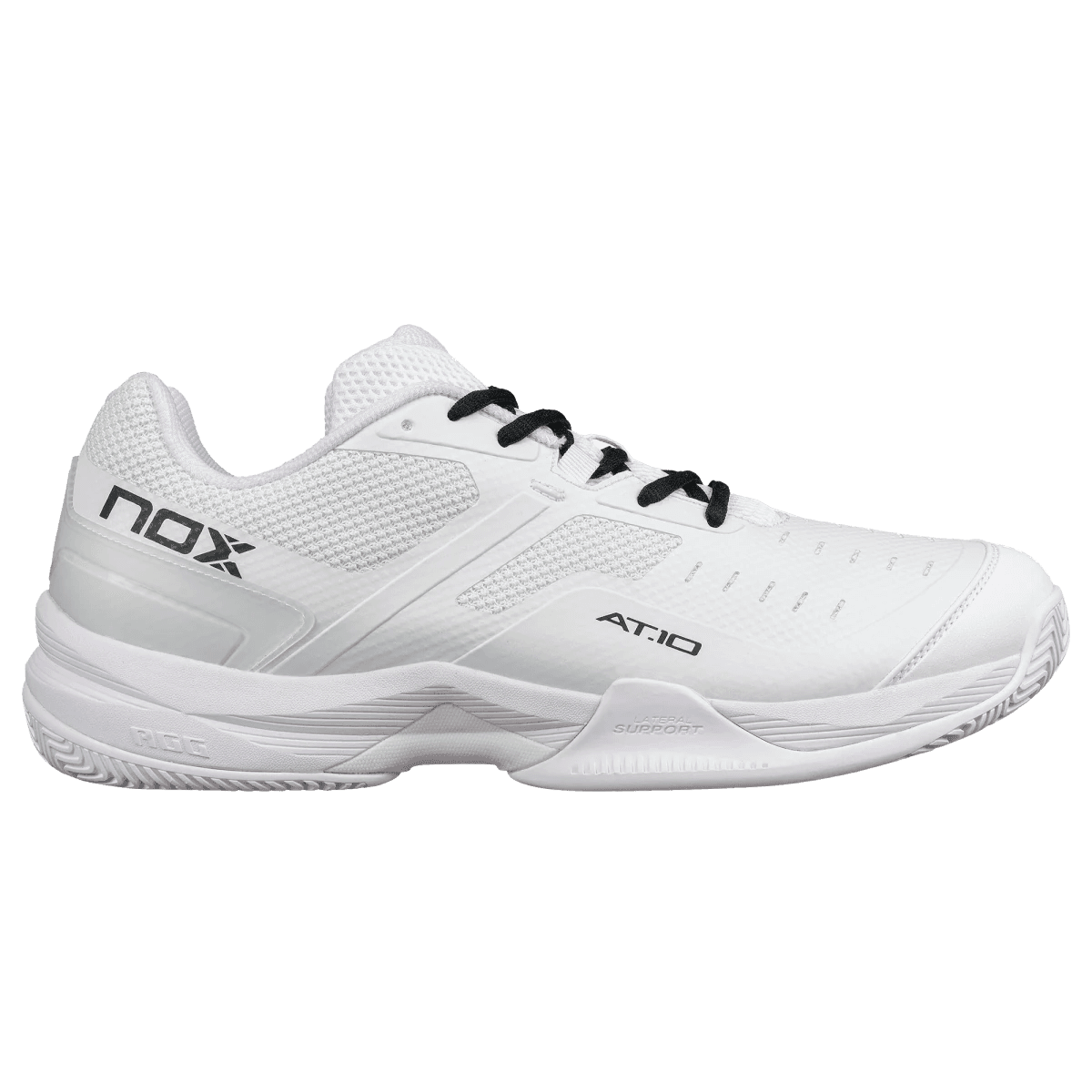 AT10 PRO White
Nox · 5 shops
€40.77 - 2
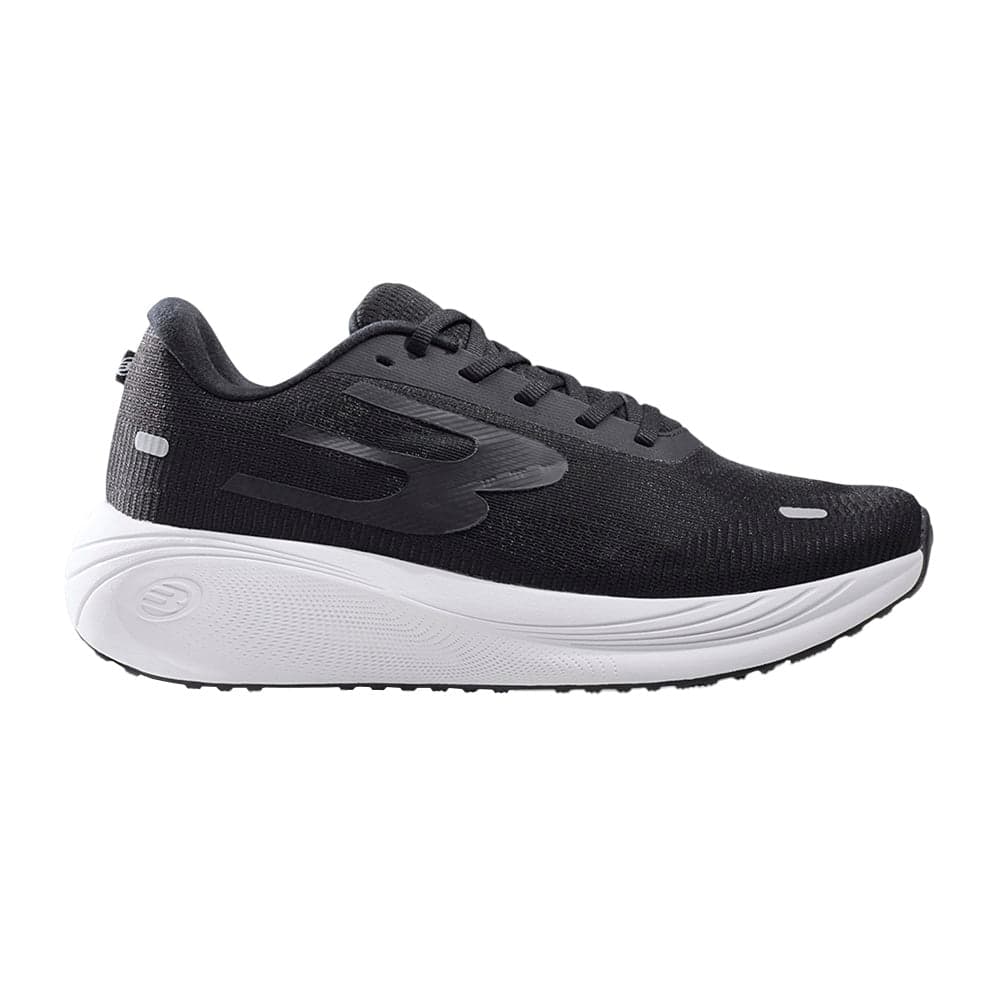 Move Pro 26V Black
Bullpadel · 3 shops
€49.55-50% - 3
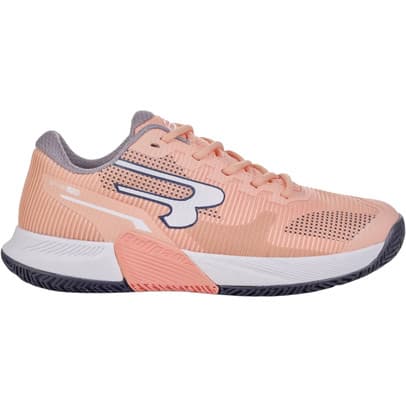 Next W 25I Apricot
Bullpadel · 3 shops
€50.55-47% - 4
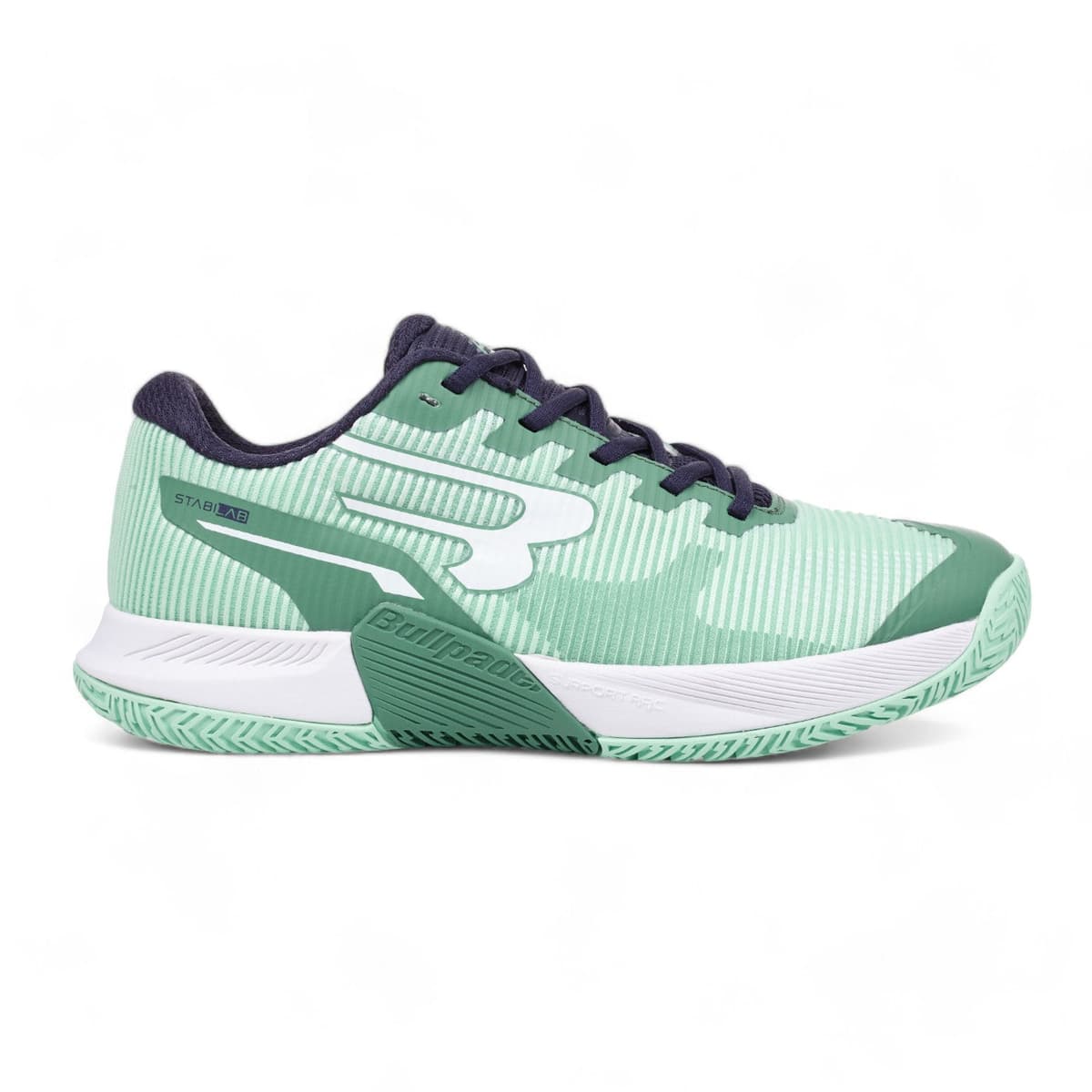 Next W 25V Green
Bullpadel · 3 shops
€50.61-43% - 5
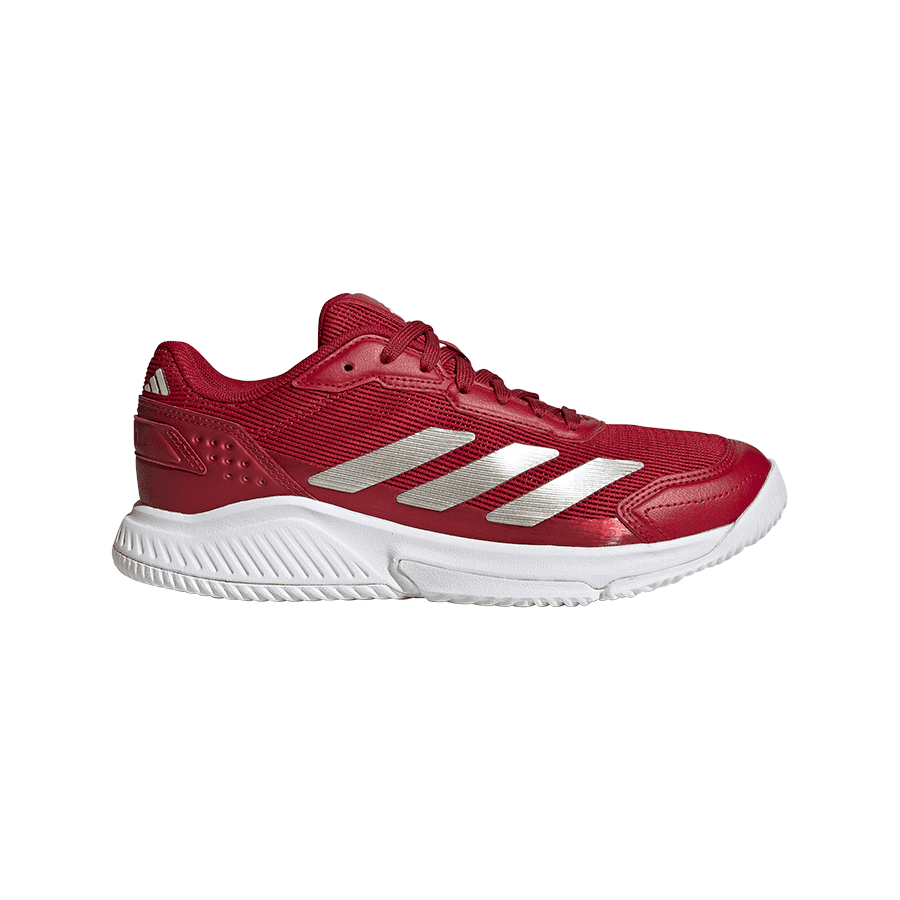 Courtquick W Padel Shoes
Adidas · 1 shop
€53.95-33% - 6
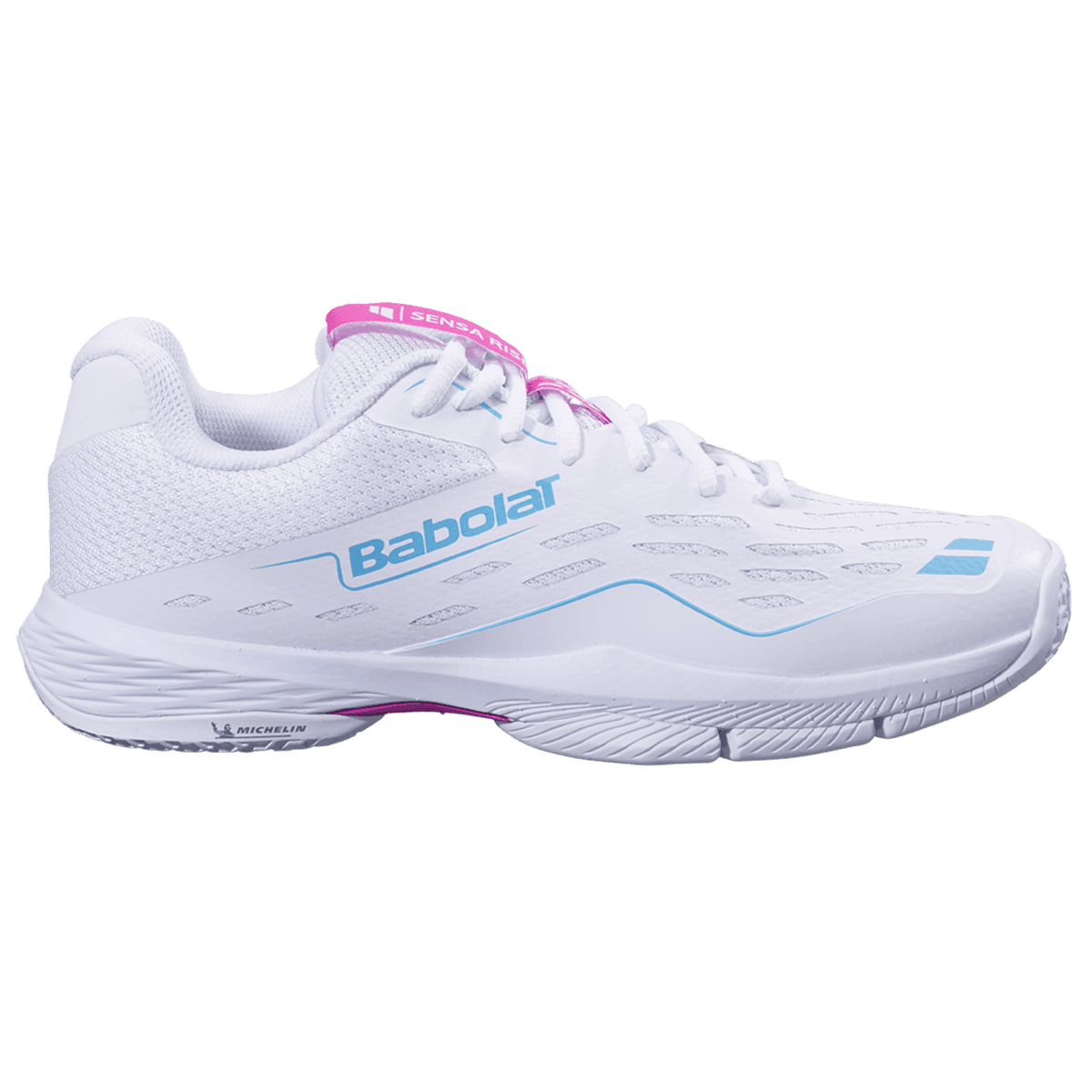 Sensa Rise Women
Babolat · 2 shops
€54.92-39% - 7
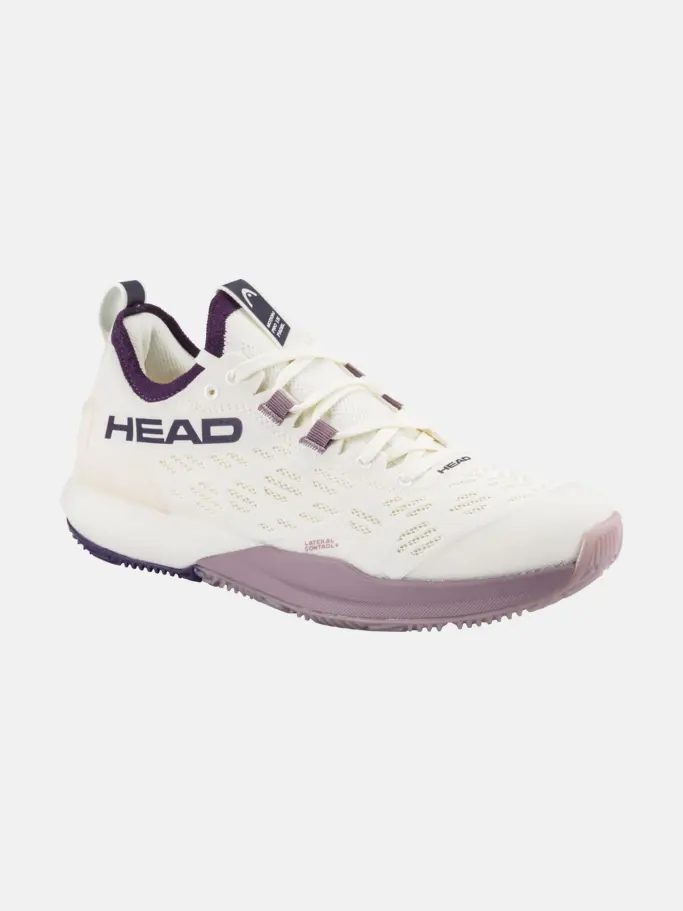 Motion Pro 1.5 Women's Padel Shoes
Head · 8 shops
€55.00 - 8
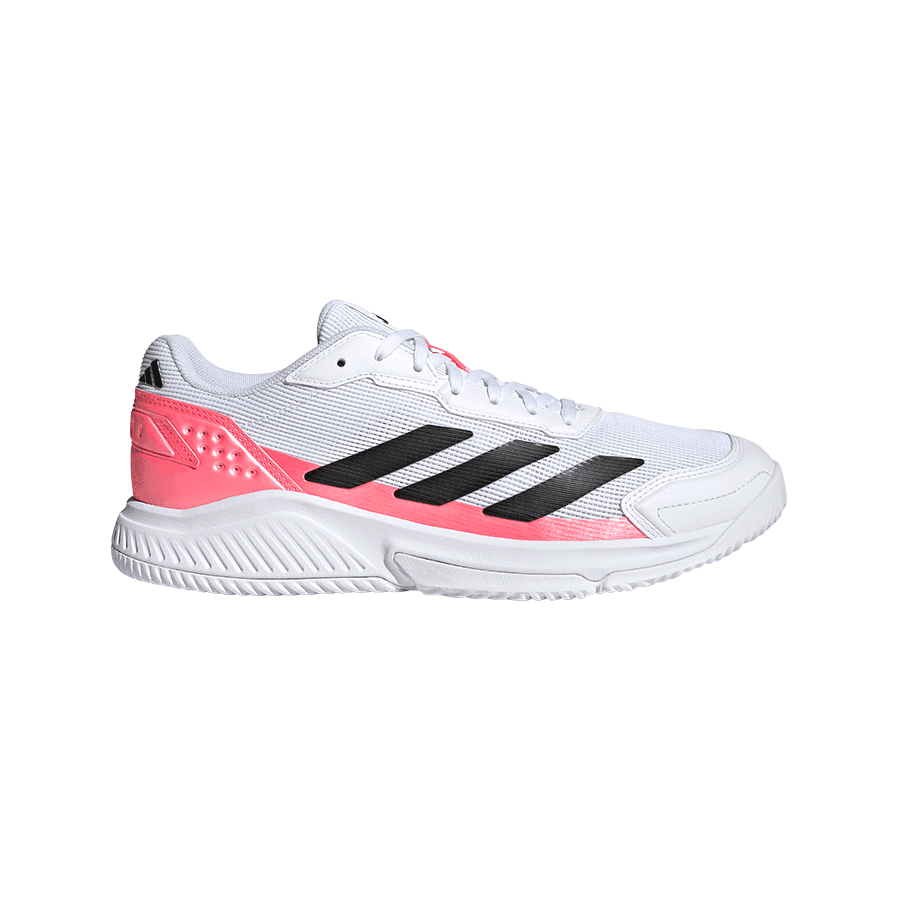 Courtquick M Padel Shoes
Adidas · 2 shops
€56.95-29%
Prices checked on 14 October 2026: lowest in-stock price across the shops we compare, in euros.
To choose padel shoes, start with the sole: on the sand-filled artificial grass used by most courts you want a herringbone or omni pattern that grips without locking your foot in place. Then check lateral support, cushioning and fit, and set a budget: most club players are well served between €70 and €120. Running shoes and indoor-court shoes are not a substitute.
Why not just play padel in running shoes?
Padel is a lateral sport. You shuffle sideways, pivot, brake hard and push off again, often on a surface covered in loose sand. Running shoes are built for straight-line motion: their soft, high heels and smooth-ish soles give little side support and slide on sand, which is how ankles get rolled. Indoor-court shoes have the opposite problem, with a flat gum sole that skates on artificial grass.
Which sole for which court?
The sole pattern matters more than the brand. Most padel shoes use one of these:
| Sole pattern | Best on | What it does |
|---|---|---|
| Herringbone (zigzag) | Standard sand-filled artificial grass | Grips when you push off and still allows a controlled slide; the most versatile choice |
| Omni (small studs) | Courts with a lot of sand, or new, slippery turf | Digs into the sand for maximum grip, with less sliding |
| Mixed / hybrid | Players who switch between clubs | Herringbone in the key zones plus studs elsewhere; a good all-round compromise |
| Smooth indoor sole | Sports halls, not padel | Slides on sand: avoid for padel |
If your club's courts are sandy and you feel you slip, go omni. If you play on different courts or like to slide into wide balls, herringbone or mixed is the safer bet.
What else makes a good padel shoe?
- Lateral stability: reinforced sidewalls, a wide, low base and some torsional support in the midfoot.
- Cushioning: you spend one to two hours on your feet per match, so the heel and forefoot need protection, especially if you play often or on hard, worn turf.
- Toe reinforcement: padel players drag the back foot on low volleys and lunges; a protected toe box lasts much longer.
- Breathability: mesh panels keep feet cooler in summer; a denser upper supports better but runs warmer.
- Weight: lighter shoes feel quicker, heavier ones usually offer more support and durability.
How should padel shoes fit?
- Leave roughly half a thumb's width between your longest toe and the end of the shoe.
- Your heel should not lift when you walk or change direction.
- Try shoes in the afternoon, when feet are slightly larger, and with the socks you play in.
- Sizing varies between brands, so check each brand's size chart rather than assuming your usual size.
- If you have wide feet, look for models sold in a wide fit.
When you buy online from an EU shop, you normally have 14 days to return an unworn pair, but check each shop's policy and who pays for return shipping.
How much should you spend on padel shoes?
| Budget | Who it suits |
|---|---|
| €40 to €70 | Occasional players, one or two sessions a week |
| €70 to €120 | Most club players: better cushioning, durability and fit |
| €120 and up | Frequent players (three or more sessions a week) or heavier players who need more support |
These are typical ranges, not rules: last season's colourways of good models regularly drop into the lower bands. In late September 2026, about 40 of the roughly 109 padel shoes in stock that we compare cost under €80.
Ready to pick a pair?
This guide explains how to choose. To see which models are worth buying this year, with today's prices, go to our best padel shoes 2026 page. For discounted pairs, see padel shoe deals or the full deals page, and you can browse every padel shoe we compare. PadelRadar, the padel price comparison site, checks around 20 European shops once a day and lists every shop that has a shoe in stock, cheapest first.
How do you make padel shoes last longer?
- Knock the sand out and brush the sole after each session.
- Let them air-dry away from radiators; never put them in a tumble dryer.
- Keep them for padel only: walking on concrete wears the pattern down fast.
- Rotate two pairs if you play three or more times a week.
- Replace them when the pattern is worn smooth under the forefoot, typically after 6 to 12 months of regular play. Good socks help too: see our padel accessories guide.
Frequently asked questions
Can I play padel in tennis shoes?
You can play padel in clay-court or omni tennis shoes, because their herringbone or studded soles grip on sand-filled artificial grass. Hard-court tennis shoes are less suitable, as their flatter pattern tends to slide on the sand. Padel-specific shoes add a reinforced toe and a lower, more stable build, but a good clay-court tennis shoe is a reasonable place to start.
What is the difference between herringbone and omni soles?
A herringbone sole uses a zigzag pattern that grips when you push off but still lets you slide a little, which makes it the most versatile choice for standard padel courts. An omni sole uses small rubber studs that dig into the sand for more grip and less sliding, which suits very sandy or new, slippery turf. Mixed soles combine both patterns.
How often should you replace padel shoes?
Replace padel shoes when the sole pattern under the forefoot is worn smooth, which typically happens after 6 to 12 months of regular play. Other signs are a flattened midsole that no longer cushions, a split toe cap or a heel that has lost its support. Worn soles slide on the sand, so they raise the risk of slips and twisted ankles.
How much do good padel shoes cost?
Good padel shoes typically cost between €70 and €120, which is where most club players get the best mix of cushioning, grip and durability. Entry models from about €40 to €70 are fine for one or two sessions a week, and premium pairs above €120 mainly pay off for frequent or heavier players. Last season's colourways often sell for less.
Should padel shoes be tight or loose?
Padel shoes should feel snug around the heel and midfoot, with roughly half a thumb's width of space in front of your longest toe. A loose heel lets the foot slide during sudden stops, which causes blisters and instability, while a shoe that is too short bruises the toes. Try them with your playing socks and check each brand's size chart.
Are running shoes OK for padel?
Running shoes are not a good choice for padel. They are designed for forward motion, with a soft, high heel and little lateral support, and their soles are not made to grip on sand-filled artificial grass. In a sport full of sideways shuffles and sudden stops, that combination increases the risk of slipping and rolling an ankle.
Related guides
- Best Padel Shoes 2026 (With Today’s Prices)Best padel shoes 2026: the most widely stocked models, today’s lowest price from around 20 European retailers and a quick guide to picking yours.
- Padel shoes on sale: today's best discountsPadel shoes on sale today: the biggest discounts and cheapest pairs under €80 from around 20 European shops, plus how to check a discount is real.
- Padel Accessories: What You Actually Need (and What You Don't)Padel accessories explained: what you really need (shoes, overgrips, balls, bag), what's optional, what to skip and what each typically costs in Europe.